
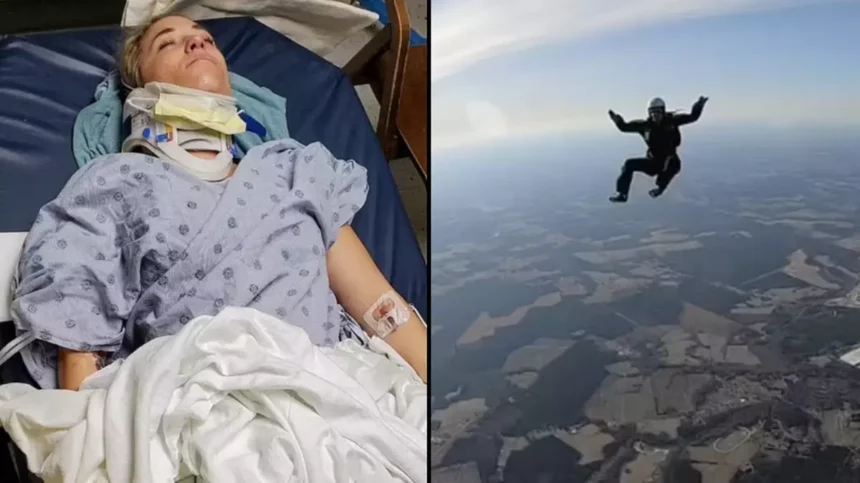
Skydiving is often described as a once-in-a-lifetime thrill, but very few people think about the financial consequences if something goes wrong. In the United States, even a minor skydiving injury can result in a medical bill worth thousands of dollars, while serious injuries may lead to costs that permanently affect a person’s finances.
- Average ER Cost After a Skydiving Injury in the USA
- Ambulance and Surgery Costs After a Skydiving Accident
- Skydiving Injury Medical Bills: Without Insurance vs With Insurance
- Realistic Cost Breakdown of a Skydiving Injury (USA)
- How to Reduce the Risk of High Medical Bills From Skydiving Injuries
- Frequently Asked Questions About Skydiving Injury Medical Bills (USA)
- Final Thoughts
This guide explains how much a skydiving injury medical bill really costs in the USA, including emergency room charges, ambulance fees, surgery expenses, and the huge difference insurance can make. If you are planning a jump—or have already experienced an injury—this article will help you understand the real numbers and risks involved.
Average ER Cost After a Skydiving Injury in the USA
The emergency room (ER) is usually the first stop after a skydiving accident. Even when injuries are not life-threatening, ER visits in the US are expensive due to facility fees, imaging, and physician charges.
On average, ER costs after a skydiving injury in the USA range between $1,500 and $5,000. This amount can increase quickly if advanced imaging like CT scans or MRIs is required.
Common ER expenses include:
- Emergency physician evaluation
- X-rays or CT scans for fractures or internal injuries
- Pain management and wound care
- Observation charges
According to data published by the U.S. Agency for Healthcare Research and Quality (AHRQ), emergency room visits involving trauma often cost significantly more than non-injury visits. You can review general ER cost data through the Healthcare Cost and Utilization Project (HCUP) by AHRQ
If the injury involves loss of consciousness, spinal impact, or joint trauma, the ER bill alone can exceed $7,000 before additional treatment begins.
Ambulance and Surgery Costs After a Skydiving Accident
Ambulance Costs in the USA
If an ambulance is required after a skydiving injury, costs rise sharply. In many states, ambulance services are not fully covered by insurance, leading to unexpected out-of-pocket expenses.
Typical ambulance costs include:
- Ground ambulance: $800 to $2,500
- Air ambulance (medical helicopter): $20,000 to $50,000+
Air transport is sometimes used for skydiving accidents due to remote drop zones or suspected spinal injuries. The Centers for Medicare & Medicaid Services (CMS) provides insight into ambulance billing rules here:
Surgery and Hospitalization Costs
If surgery is required, medical bills escalate rapidly. Common skydiving-related surgeries include:
- Fracture repair (legs, ankles, arms)
- Shoulder reconstruction
- Spinal stabilization procedures
Estimated surgery and hospital costs:
- Orthopedic surgery: $15,000 to $40,000
- Spinal surgery: $50,000 to $100,000+
- Hospital stay (per day): $3,000 to $6,000
These figures do not include follow-up care, rehabilitation, or physical therapy, which may add thousands more to the total medical bill.
Skydiving Injury Medical Bills: Without Insurance vs With Insurance
Without Health Insurance
For uninsured individuals, a skydiving injury medical bill in the USA can be financially devastating. Hospitals charge full “list prices,” which are significantly higher than negotiated insurance rates.
Typical total cost without insurance:
- Minor injury: $5,000 to $10,000
- Moderate injury with surgery: $30,000 to $70,000
- Severe injury with air transport: $100,000+
Many people are unaware that skydiving waivers do not cover medical bills. The responsibility usually falls entirely on the injured jumper. This is discussed in detail in our guide on who pays medical bills after a skydiving accident on SkydiveGuides.
With Health or Adventure Insurance
With insurance, costs are significantly reduced—but not always eliminated.
Insurance may cover:
- Emergency room treatment
- Hospitalization
- Surgery (after deductibles)
Insurance may not cover:
- Air ambulance transport
- Injuries classified under “extreme sports exclusions”
- Out-of-network care near drop zones
If you want to understand coverage limits in detail, see our related guide on whether health insurance covers skydiving in the USA
Realistic Cost Breakdown of a Skydiving Injury (USA)
Below is a realistic example of a moderate skydiving injury medical bill in the USA:
- Ambulance transport: $1,800
- ER evaluation and imaging: $4,200
- Orthopedic surgery: $28,000
- Hospital stay (3 days): $12,000
- Follow-up visits and physical therapy: $6,000
Total estimated cost: $52,000
With insurance, out-of-pocket expenses may still range from $5,000 to $15,000, depending on deductibles and coverage exclusions.
How to Reduce the Risk of High Medical Bills From Skydiving Injuries
While no activity is risk-free, you can take steps to reduce both physical and financial risk:
Choosing reputable drop zones with certified instructors lowers accident risk. Tandem jumps generally involve less personal responsibility than solo jumps, which is why understanding tandem skydiving injury risk is important before your first experience
Reading and understanding liability waivers is also essential. Waivers limit legal claims but do not protect you from medical expenses. Our detailed explanation of skydiving liability waivers explains this clearly:
Finally, reviewing insurance policies in advance—especially exclusions related to extreme sports—can prevent financial surprises after an accident.
Frequently Asked Questions About Skydiving Injury Medical Bills (USA)
How much does a skydiving injury medical bill cost in the USA?
Medical bills typically range from $5,000 to over $100,000, depending on injury severity, transportation method, and insurance coverage.
Does health insurance cover skydiving injuries?
Some health insurance plans cover emergency treatment, but many exclude extreme sports. Coverage varies by policy and provider.
Who pays medical bills after a skydiving accident?
In most cases, the injured jumper is responsible. Drop zones and instructors are usually protected by liability waivers.
Are ambulance costs covered by insurance?
Ground ambulance coverage varies, while air ambulance costs are often partially or completely excluded.
Can skydiving injuries lead to long-term medical expenses?
Yes. Physical therapy, follow-up surgeries, and chronic pain treatment can significantly increase total costs over time.
Final Thoughts
Understanding the real cost of a skydiving injury medical bill in the USA is just as important as understanding the thrill of the jump itself. Medical expenses can quickly reach life-changing amounts, especially without proper insurance planning.
If you are researching skydiving safety, insurance, or legal responsibilities, explore more in-depth guides on SkydiveGuides.com, where we focus on helping jumpers make informed, responsible decisions before they ever leave the ground.