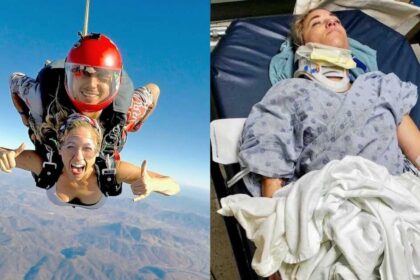

If you’re planning your first jump, understanding the skydiving insurance cost is just as important as choosing the right drop zone. While skydiving is extremely safe, unexpected situations like weather delays, injuries, or cancellations can lead to financial loss without proper coverage.
- What is Skydiving Insurance Cost
- How Much Does Skydiving Insurance Cost
- Recommended Insurance Platforms
- Requirements for Skydiving Insurance Cost
- Best Places for Skydiving Insurance Cost
- Safety Tips for Skydiving Insurance Cost
- How to Book Skydiving Insurance Cost Online
- Recommended Add-Ons
- Pros and Cons of Skydiving Insurance Cost
- FAQs About Skydiving Insurance Cost
- Final Thoughts
Most skydivers pay between:
$10 and $40 per day
or
$50 to $120 per trip
depending on coverage level and travel duration.
In this guide, you’ll learn:
- Real skydiving insurance pricing
- What coverage includes
- When insurance is worth buying
- Best providers for skydivers
- Tips to save money
- How to book safely
Whether you’re planning your first tandem jump or traveling for a skydiving vacation, this article will help you protect your investment and avoid costly surprises.
👉 Smart Advice:
Before confirming your jump, compare packages before booking to ensure your insurance matches your travel and activity plans.
What is Skydiving Insurance Cost
The skydiving insurance cost refers to the price of a policy that protects you financially during a skydiving activity. This coverage can include:
- Medical expenses
- Emergency evacuation
- Trip cancellation
- Equipment damage
- Weather-related delays
Standard travel insurance often excludes extreme sports like skydiving, which is why specialized coverage is recommended.
For example:
If your jump is canceled due to bad weather, insurance can reimburse:
- Booking fees
- Travel expenses
- Hotel costs
This is especially important if you’re traveling to popular destinations like Chicago, Florida, or California.
If you’re still comparing jump prices, you may also want to read your guide on:
These pages help visitors understand total trip costs before choosing insurance coverage.
CTA:
Always check whether your booking platform includes insurance protection before finalizing payment.
How Much Does Skydiving Insurance Cost
The cost of skydiving insurance varies depending on risk level, coverage limits, and trip duration.
Average Skydiving Insurance Cost
Single-day coverage:
$10 to $25
Weekend coverage:
$20 to $40
Weekly coverage:
$40 to $80
International travel coverage:
$60 to $120
Annual adventure policy:
$150 to $300
These prices are typical for tandem skydiving and recreational jumps.
Factors That Affect Skydiving Insurance Cost
1. Coverage Level
Higher coverage means:
Higher premium
More protection
2. Location
Costs increase for:
- International travel
- Remote areas
- High-risk locations
3. Age of the Jumper
Older participants may pay:
Slightly higher premiums
4. Activity Type
Prices vary based on:
- Tandem skydiving
- Solo skydiving
- Licensed skydiving
5. Trip Duration
Longer trips increase total cost.
Real Example Cost Breakdown
Tandem skydive:
$279
Travel insurance:
$22
Hotel stay:
$110
Total protected cost:
$411
Without insurance, cancellations or injuries could result in significant losses.
Recommended Insurance Platforms
These providers are widely used by skydivers:
World Nomads
SafetyWing
Allianz Travel Insurance
VisitorsCoverage
Travel Guard
They typically offer:
- Adventure sports coverage
- Emergency medical support
- Trip cancellation protection
- Flexible policies
CTA:
Check coverage details carefully before purchasing to ensure skydiving is included.
Requirements for Skydiving Insurance Cost
Before purchasing insurance, understand the eligibility requirements.
Age Limit
Most providers accept:
18 to 70 years old
Some policies cover older participants with medical clearance.
Health Requirements
Insurance companies may review:
- Medical history
- Heart conditions
- Respiratory issues
- Recent surgery
Always disclose accurate health information to avoid claim denial.
Activity Eligibility
Coverage usually applies to:
Tandem skydiving
Recreational skydiving
Additional coverage may be required for:
Competitive skydiving
Professional skydiving
Documentation Needed
You may need:
- Government ID
- Booking confirmation
- Travel itinerary
If you’re unsure whether you meet eligibility rules, see your guide:
These pages help visitors prepare before purchasing insurance.
Best Places for Skydiving Insurance Cost
Insurance becomes especially valuable when traveling to busy or remote skydiving locations.
Here are popular destinations where coverage is strongly recommended.
Chicago, Illinois
Best for:
Urban skydiving experiences.
Why insurance matters:
High demand and weather variability.
Orlando, Florida
Best for:
Year-round skydiving.
Insurance benefit:
Protects travel and lodging expenses.
Los Angeles, California
Best for:
Scenic coastal jumps.
Insurance benefit:
Covers high-value bookings.
Las Vegas, Nevada
Best for:
Tourist adventures.
Insurance benefit:
Protects vacation plans.
Phoenix, Arizona
Best for:
Desert skydiving.
Insurance benefit:
Covers emergency medical services.
Honolulu, Hawaii
Best for:
Bucket-list experiences.
Insurance benefit:
Essential for long-distance travel.
CTA:
If you’re traveling for your jump, purchasing insurance is one of the smartest financial decisions you can make.
Safety Tips for Skydiving Insurance Cost
Insurance is part of a complete safety strategy.
Follow these tips to reduce risk and protect your experience.
Choose a Licensed Drop Zone
Look for:
Certified instructors
Modern equipment
Strong safety record
Read the Policy Carefully
Check:
Coverage limits
Exclusions
Emergency procedures
Keep Emergency Contacts
Store:
Insurance number
Provider contact
Medical information
Avoid Risky Behavior
Follow all instructions from your instructor.
Save Documentation
Keep copies of:
Receipts
Booking confirmation
Medical reports
How to Book Skydiving Insurance Cost Online
Buying skydiving insurance online is fast and straightforward.
Step-by-Step Booking Process
1 Choose insurance provider
2 Enter travel details
3 Select coverage level
4 Confirm activity inclusion
5 Make payment
6 Receive policy confirmation
What to Expect After Purchase
You will receive:
Policy document
Emergency contact information
Coverage summary
Claim instructions
Cancellation Tips
Most providers allow:
Refunds within 10 to 14 days
Policy changes
Trip rescheduling
Always verify cancellation rules before buying.
Recommended Add-Ons
Travel insurance
Hotel booking
Activity packages
Equipment protection
These add-ons improve travel security and customer confidence.
CTA:
Purchase insurance immediately after booking your skydive to ensure full protection.
Pros and Cons of Skydiving Insurance Cost
Pros
Protects financial investment
Covers medical emergencies
Reduces travel risk
Provides peace of mind
Supports emergency evacuation
Cons
Adds small extra cost
Some exclusions apply
Coverage limits vary
Not always required
FAQs About Skydiving Insurance Cost
Is skydiving insurance required?
No, but it is strongly recommended, especially when traveling.
How much does skydiving insurance cost per day?
Most policies cost:
$10 to $25 per day.
Does travel insurance cover skydiving?
Only if extreme sports coverage is included.
Is skydiving insurance worth it?
Yes, particularly for expensive trips or long-distance travel.
Can I buy insurance after booking my skydive?
Yes, but purchasing early provides better protection.
What happens if my jump is canceled due to weather?
Insurance can reimburse:
Booking fees
Travel expenses
Hotel costs
Does insurance cover injuries during skydiving?
Yes, if the policy includes adventure sports coverage.
Final Thoughts
Understanding the skydiving insurance cost helps you plan smarter and protect your investment. While the price is relatively small compared to the total cost of a skydiving trip, the financial protection can be significant.
For most skydivers, spending $10 to $40 on insurance provides valuable peace of mind and ensures your experience stays stress-free.
Whether you’re planning your first jump or traveling to a new destination, insurance is one of the simplest ways to protect your adventure.
Next step:
Compare insurance providers, confirm coverage, and secure your policy before your jump date.