
Key Takeaways
- Skydiving weight limit 2026 varies by country, aircraft type, and whether you’re doing a tandem jump.
- Most dropzones focus on exit weight (your body weight + gear), not just scale weight.
- Weight limits are tied to safety records, parachute performance, and instructor control.
- Being near the limit doesn’t mean “no”—it often means extra checks or a surcharge.
- Beginners should follow a safety-first beginner guide and confirm limits before booking.
Skydiving is one of the most thrilling experiences on Earth—but weight and health checks can feel like a barrier. The good news? With the 2026 guidelines, dropzones worldwide are clearer, more consistent, and more accommodating than ever. This guide explains the skydiving weight limit 2026, how it’s calculated, and what to do if you’re close to the cutoff.
- Key Takeaways
- Why Do Skydiving Weight Limits Exist?
- What Counts Toward Your Skydiving Weight?
- Skydiving Weight Limit 2026: Global Overview
- Country-by-Country Guidelines (2026)
- Comparison Table: Weight Limits at a Glance (2026)
- How Weight Affects Your Skydive Experience
- Health vs. Weight: What Matters More in 2026?
- Does Weight Affect Skydiving Rate or Cost?
- Pro-Tip from a Skydiving Veteran
- What If You’re Over the Weight Limit?
- Safety First: Final Thoughts
Why Do Skydiving Weight Limits Exist?
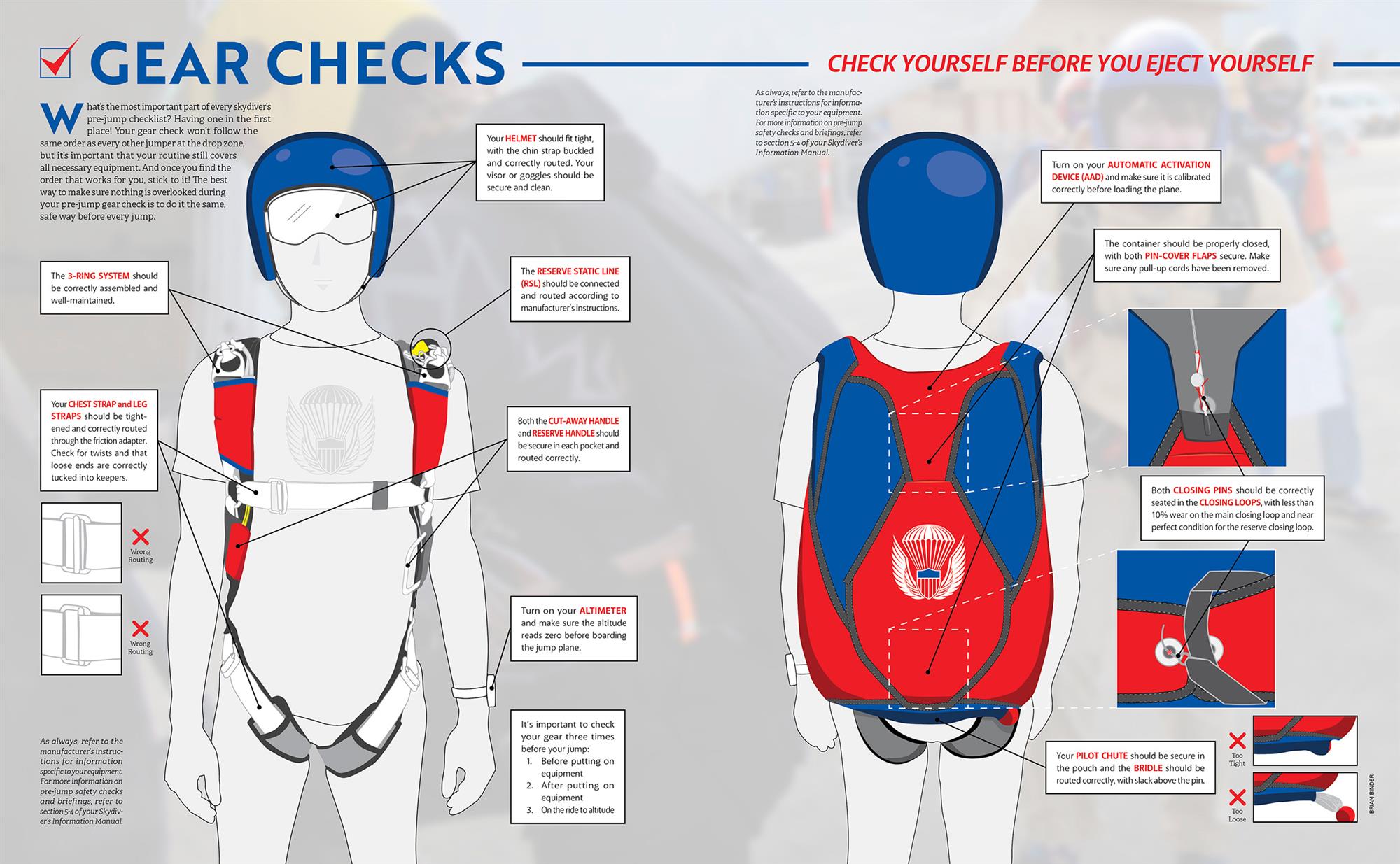
Weight limits aren’t about discrimination—they’re about physics and safety.
- Parachute performance: Heavier exit weights descend faster and need larger canopies.
- Instructor control: In tandem jumps, instructors must safely manage stability and landing.
- Aircraft limits: Every plane has payload restrictions.
- Historical safety records: Data shows clear correlations between exit weight, landing forces, and injury risk.
Put simply, limits protect you, your instructor, and the sport’s safety standards.
What Counts Toward Your Skydiving Weight?
Most dropzones use exit weight, not just body weight.
Exit Weight Includes
- Your body weight
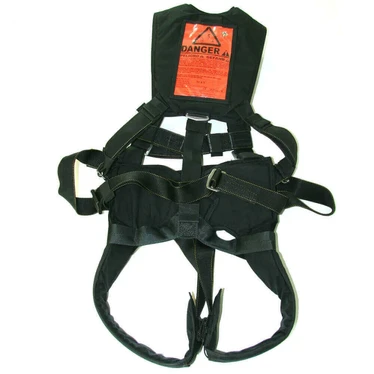
- Tandem harness and jumpsuit
- Helmet, altimeter, and accessories
Pro tip: Gear typically adds 15–25 lbs (7–11 kg). Always ask which measurement your dropzone uses.
Skydiving Weight Limit 2026: Global Overview
While policies vary, the ranges below reflect current international norms for tandem skydiving.
Typical Global Ranges
- Standard limit: 220–230 lbs (100–105 kg)
- Upper consideration range: 231–250 lbs (105–113 kg) with conditions
- Above 250 lbs (113 kg): Special approval or not permitted at many locations
Solo (AFF) students may face lower limits due to canopy sizing and training requirements.
Country-by-Country Guidelines (2026)
United States
- Common limit: 220–230 lbs
- Conditional range: Up to 250 lbs with fees and instructor approval
- Strong emphasis on skydiving rate vs. canopy size and landing conditions
United Kingdom
- Typical limit: 220 lbs
- BMI and proportional fitness sometimes assessed
- Conservative approach aligned with long-term safety records
Australia
- Range: 220–240 lbs depending on DZ
- Wind conditions play a major role
- Some DZs require a test harness fitting
India
- Common limit: 220 lbs
- Fewer DZs mean stricter adherence to manufacturer guidelines
- Advance confirmation strongly recommended
Note: Europe, Asia, and South America follow similar manufacturer-driven standards. Always confirm directly with the dropzone.
Comparison Table: Weight Limits at a Glance (2026)
| Region | Standard Limit | Conditional Limit | Extra Checks |
|---|---|---|---|
| USA | 220–230 lbs | Up to 250 lbs | Fees, canopy sizing |
| UK | ~220 lbs | Limited | BMI & weather |
| Australia | 220–240 lbs | Case-by-case | Harness fit |
| India | ~220 lbs | Rare | Instructor approval |
How Weight Affects Your Skydive Experience
Being heavier doesn’t reduce the thrill—but it can change the logistics.
- Faster freefall: Slightly higher terminal velocity
- Larger canopy: Slower, safer landings
- Longer prep time: Additional briefings and checks
From a beginner guide perspective, none of this reduces enjoyment—it simply ensures safety.
Health vs. Weight: What Matters More in 2026?
Modern policies look beyond the scale.
Key Health Factors
- Mobility and leg strength for landing
- Heart and respiratory health
- Ability to maintain a stable body position
Someone under the weight limit but unfit may be refused, while a fit person near the limit may be approved.
Does Weight Affect Skydiving Rate or Cost?
Sometimes, yes.
- Surcharges: Common above 230 lbs due to equipment wear
- Instructor availability: Fewer instructors certified for higher exit weights
- Weather windows: Heavier loads may require calmer conditions
These factors can influence the skydiving rate, especially during peak seasons.
Pro-Tip from a Skydiving Veteran
“If you’re close to the limit, call the dropzone before booking online. I’ve seen many jumpers turned away simply because they didn’t pre-clear their exit weight. A 2-minute call can save your entire trip.”
Extra insider advice:
- Book morning slots when winds are calmer
- Wear lightweight clothing
- Be honest—dropzones appreciate transparency
What If You’re Over the Weight Limit?
Don’t give up.
Your Options
- Ask about higher-capacity tandem systems
- Look for DZs with turbine aircraft (higher payload)
- Consider a fitness plan and rebook later
- Explore indoor skydiving as a first step
Many jumpers return successfully after small lifestyle changes.
Safety First: Final Thoughts
The skydiving weight limit 2026 is not a wall—it’s a safety guideline built on decades of data. With clear communication, honest assessment, and the right dropzone, most people can find a safe path to the sky.
Skydiving remains one of the world’s safest adventure sports when rules are followed—and that’s why its safety records continue to improve year after year.