
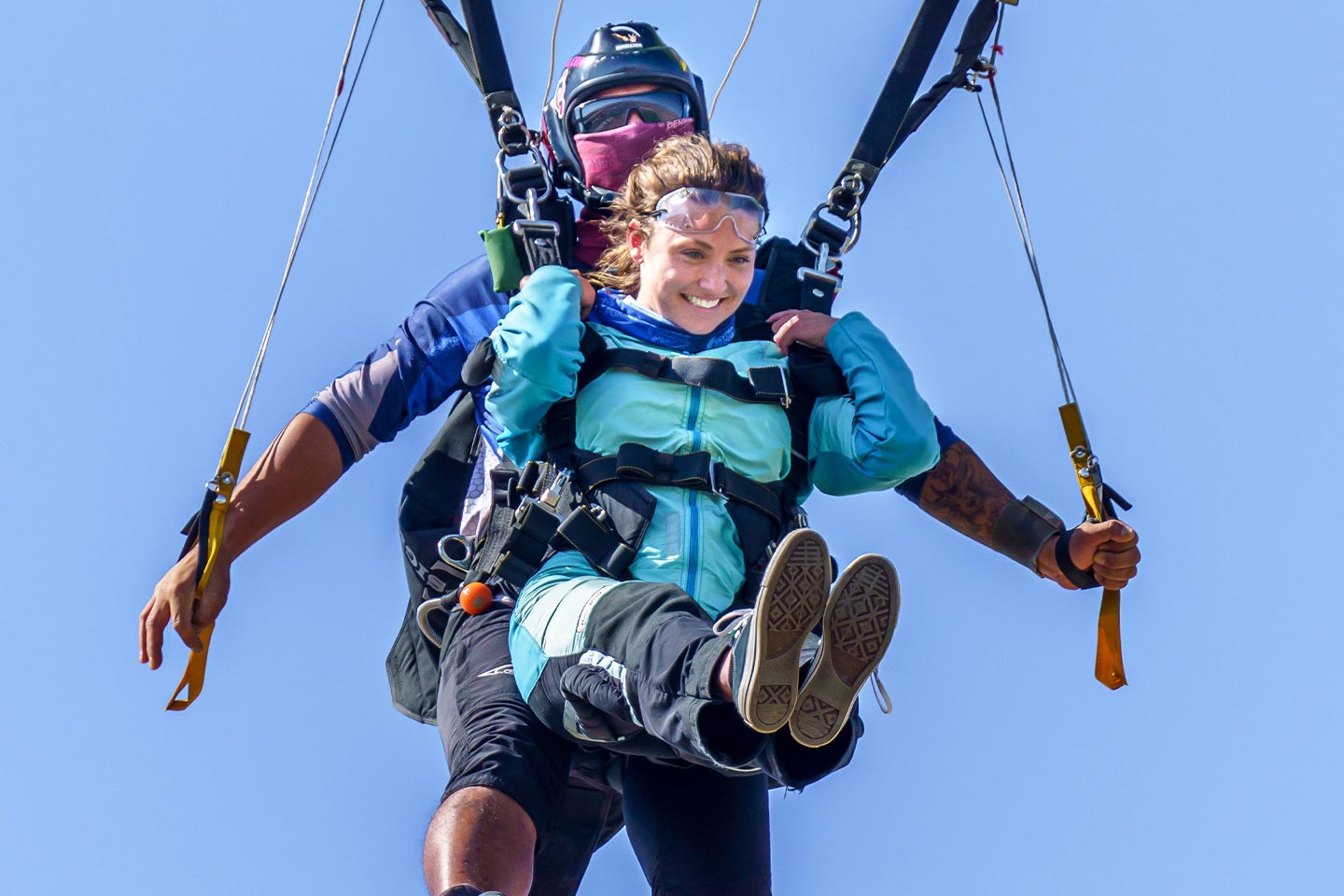
Skydiving is an exhilarating adventure that attracts thrill-seekers worldwide. But before you take the leap, understanding the skydiving weight limit is crucial for both safety and enjoyment. Whether you are a first-time skydiver in the USA or planning an international jump, knowing the rules about weight, height, and age restrictions ensures a smooth and memorable experience.
- What is the Skydiving Weight Limit?
- Table of Contents
- Factors Affecting Skydiving Weight Limits
- Skydiving Weight Limits by Location
- Weight & Height Restrictions Explained
- Minimum and Maximum Weight Requirements
- Frequently Asked Questions (FAQ)
- Tips for Preparing for Your First Skydive
- Conclusion & Call to Action
What is the Skydiving Weight Limit?
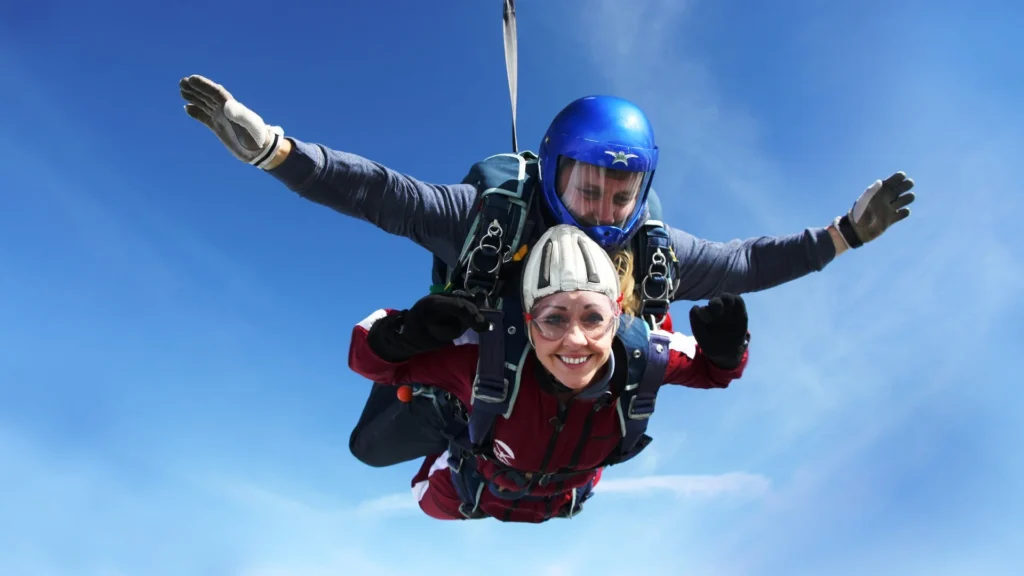
Table of Contents
Every skydiving center enforces weight limits to maintain safety standards and proper parachute functionality. These limits vary depending on whether you’re attempting a tandem jump (attached to an instructor) or a solo jump (freefall with your own parachute).
Typical Weight Ranges
- Tandem Skydiving: Usually 220–250 lbs (100–113 kg)
- Solo Skydiving: Typically 140–220 lbs (63–100 kg)
Some drop zones may allow heavier participants if specialized equipment is available, but exceeding limits can affect the jump’s stability and landing safety.
Why Weight Matters
Weight affects:
- The parachute’s deployment and performance
- Freefall speed and stability
- Landing control for both tandem and solo skydives
Understanding your weight in relation to the equipment ensures that your jump is both safe and enjoyable.
Factors Affecting Skydiving Weight Limits
Type of Jump (Tandem vs Solo)
- Tandem jumps involve being harnessed to an instructor. Tandem rigs are designed for a wide range of body weights, but exceeding 250 lbs can pose risks.
- Solo jumps require independent control of the parachute. These jumps often have stricter weight limits for safety and performance.
Parachute Equipment Specifications
- Each parachute has a maximum and minimum weight rating.
- Heavier skydivers may need specially reinforced harnesses or larger canopies.
- Properly fitting equipment is essential for controlled landings.
Instructor or Drop Zone Requirements
- Drop zones may have their own policies regarding weight and height.
- Some locations provide professional guidance for heavier participants to ensure a safe experience.
Skydiving Weight Limits by Location
Skydiving Weight Limit in the USA
- Most US drop zones set a maximum tandem weight of 220–250 lbs (100–113 kg).
- Solo jumps usually have a limit of 220 lbs (100 kg).
- Some US skydiving centers offer exceptions with specialized equipment, but prior consultation is necessary.
International Skydiving Weight Limits
- Europe: Tandem limits around 105–120 kg
- Australia: Tandem limits usually 110–125 kg
- Asia: Some countries restrict tandem jumps to 90–100 kg due to equipment regulations
Always check the local drop zone’s policies before booking to avoid surprises on jump day.
Weight & Height Restrictions Explained
Skydiving Restrictions Table
| Type of Jump | Minimum Weight | Maximum Weight | Height Restrictions | Notes |
| Tandem USA | 70 lbs (32 kg) | 250 lbs (113 kg) | 4’10”–6’6” (147–198 cm) | Equipment fits most body types |
| Solo USA | 120 lbs (54 kg) | 220 lbs (100 kg) | 5’0”–6’5” (152–196 cm) | Safety training required |
| Tandem Europe | 70 lbs (32 kg) | 265 lbs (120 kg) | 4’10”–6’5” (147–196 cm) | Specialized rigs may allow higher weight |
| Tandem Australia | 70 lbs (32 kg) | 275 lbs (125 kg) | 4’10”–6’6” (147–198 cm) | Pre-jump consultation recommended |
These restrictions ensure safety during freefall, parachute deployment, and landing.
Minimum and Maximum Weight Requirements
Skydiving Weight Minimum
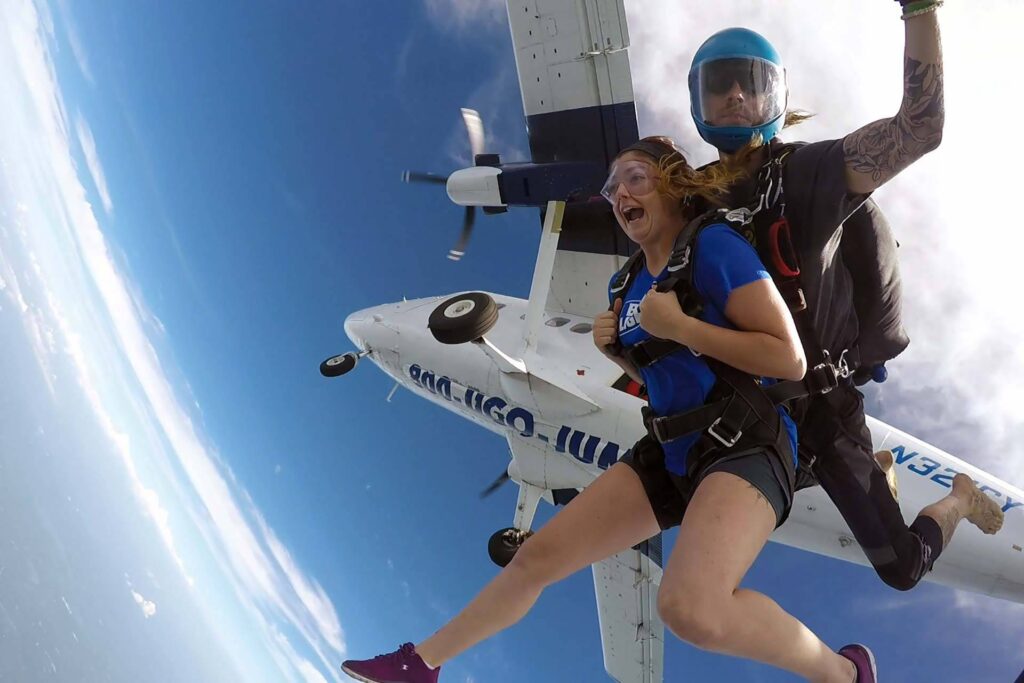
- The minimum weight for tandem jumps is usually 70 lbs (32 kg).
- For solo jumps, the minimum is higher due to the need to control the parachute independently.
Tandem Skydiving Maximum Weight
- Most drop zones set 250 lbs (113 kg) as the maximum.
- Heavier participants may need special parachute canopies and harnesses.
Considerations for Heavier or Lighter Individuals
- Heavier individuals may experience faster freefall speeds and harder landings.
- Lighter participants may have slower descents, affecting stability.
- Always consult instructors for adjustments to ensure safety.
Frequently Asked Questions (FAQ)
Does Skydiving Have a Weight Limit?
Yes. Skydiving centers enforce weight limits for safety and equipment performance. Tandem jumps usually allow up to 250 lbs, while solo jumps are more restrictive.
Can You Skydive at 250lbs?
Yes, many tandem jumps accommodate 250 lbs (113 kg). Solo jumps, however, typically require lower weight.
Skydiving Weight Limit in kg
- Tandem: 100–113 kg
- Solo: 63–100 kg
Weight Limit for Skydiving Solo
Solo jumps usually have a maximum limit of 220 lbs (100 kg). This ensures safe parachute deployment and landing control.
Skydiving Age Limit
- Minimum age: 18 years (some countries allow 16 with parental consent)
- No strict upper age limit, provided the participant is medically fit
Tips for Preparing for Your First Skydive
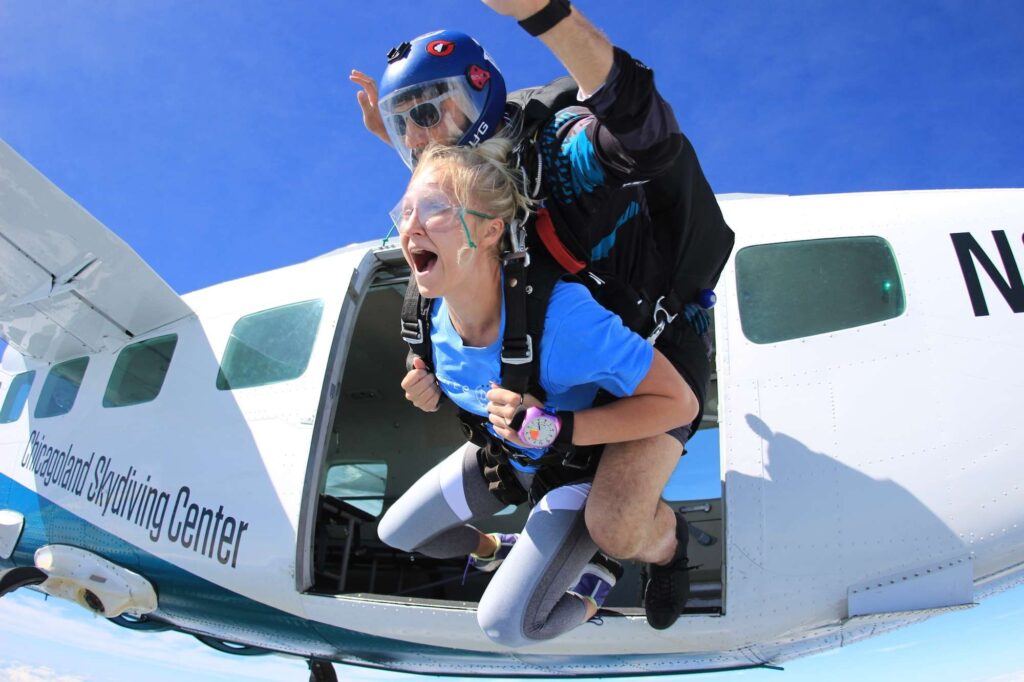
Training Recommendations
- Attend pre-jump briefings and training sessions
- Learn body positioning and emergency procedures
Clothing and Gear Considerations
- Wear comfortable, fitted clothing
- Avoid loose items that can interfere with equipment
How to Manage Weight-Related Concerns
- Consult the drop zone about equipment modifications
- Maintain clear communication with your instructor about your weight and health status
Conclusion & Call to Action
Understanding the skydiving weight limit is vital for safety, comfort, and enjoyment. Whether you are planning your first tandem jump or training for solo freefall, knowing your weight restrictions, height limits, and other requirements will make your experience unforgettable.
Ready to take the leap? Visit Skydive Guides today to find the perfect drop zone and start your adventure safely. Your first skydive awaits!