

BASE jumping represents one of the most dangerous activities humans can pursue. While many people dream of flying through the air like a bird, the reality of BASE jumping comes with serious risks that everyone should understand before considering this extreme sport. This comprehensive guide explores BASE jumping deaths in 2026, safety statistics, and why this activity remains so hazardous.
- What Is BASE Jumping and Why Is It So Dangerous
- The Death Rate for BASE Jumping Explained
- Understanding BASE Jumping Deaths in 2026
- Why BASE Jumping Remains Banned in Many Places
- Wingsuit BASE Jumping and Its Unique Dangers
- Famous BASE Jumpers Who Have Died
- Learning from BASE Jumping Statistics and Safety
- Comparing BASE Jumping to Traditional Skydiving
- Making Informed Decisions About Extreme Sports
- Frequently Asked Questions About BASE Jumping Deaths
- What is the death rate for BASE jumping compared to regular skydiving?
- Why is BASE jumping banned in so many locations?
- How many wingsuit deaths occur each year?
- Have any famous BASE jumpers died?
- How dangerous is wingsuit BASE jumping compared to other extreme sports?
- Can better equipment make BASE jumping safer?
- Taking the Next Steps Safely
What Is BASE Jumping and Why Is It So Dangerous
BASE jumping is an extreme sport where people jump from fixed objects using a parachute. The acronym BASE stands for Building, Antenna, Span (bridges), and Earth (cliffs). Unlike regular skydiving where jumpers exit from aircraft at high altitudes, BASE jumpers leap from much lower heights, giving them only seconds to deploy their parachutes and land safely.
The danger comes from several factors that make BASE jumping far riskier than traditional skydiving. First, the low altitude means jumpers have very little time to react if something goes wrong. While skydivers typically exit aircraft at 10,000 to 15,000 feet, BASE jumpers often launch from heights between 200 and 2,000 feet. This limited altitude provides minimal margin for error.
Second, BASE jumpers face obstacles that skydivers never encounter. Fixed objects like cliff faces, rock formations, and building structures pose collision risks during both the jump and landing phases. Wind patterns near mountains and buildings can be unpredictable and dangerous, pushing jumpers into hazardous areas.
Third, BASE jumping equipment differs from traditional skydiving gear. BASE parachutes are designed to open quickly at low altitudes, but they lack the backup safety systems that skydivers rely on. Most BASE jumpers use single parachute systems without reserve chutes, meaning equipment malfunction can be fatal.
The Death Rate for BASE Jumping Explained
When people ask about BASE jumping death rates, the numbers paint a sobering picture. Research studies estimate that BASE jumping has a fatality rate approximately 5 to 8 times higher than regular skydiving. Some estimates suggest that one in every 2,300 BASE jumps results in death, though exact statistics vary depending on the study and time period examined.
In comparison to traditional skydiving, the difference becomes even clearer. According to data on skydiving deaths per year worldwide, skydiving has approximately one fatality per 220,000 jumps. This stark contrast highlights why BASE jumping is considered significantly more dangerous than its airborne cousin.
The death rate varies considerably based on experience level and location. Beginner BASE jumpers face higher risks because they lack the experience needed to handle unexpected situations. Certain famous BASE jumping locations, including Switzerland’s Lauterbrunnen Valley and Norway’s Kjerag cliff, have witnessed numerous fatalities over the years despite their popularity among experienced jumpers.
Weather conditions also dramatically affect safety. Wind speed, visibility, and sudden weather changes can transform a manageable jump into a deadly situation within seconds. Even experienced BASE jumpers with hundreds of successful jumps have perished when unexpected conditions arose during what seemed like routine jumps.
Understanding BASE Jumping Deaths in 2026
As we examine BASE jumping deaths in 2026, several patterns emerge that help explain why this activity remains so perilous. The community continues to lose experienced jumpers despite advances in equipment technology and training methods. Each incident provides painful lessons about the inherent risks involved in this extreme sport.
Technology improvements have brought both benefits and new challenges. Modern parachutes open more reliably and tracking suits allow jumpers greater control during flight. However, these advances may also encourage jumpers to attempt increasingly dangerous stunts and locations, potentially offsetting safety gains from better equipment.
Social media has created additional pressure within the BASE jumping community. Many jumpers feel compelled to capture dramatic footage for online audiences, sometimes leading them to take unnecessary risks. The desire for spectacular videos can cloud judgment and encourage dangerous behavior that experienced jumpers would normally avoid.
Environmental factors continue to play crucial roles in BASE jumping incidents. Climate change has altered wind patterns in popular jumping locations, creating unexpected hazards. Rock falls, changing ice conditions on mountain faces, and shifting weather patterns all contribute to the ongoing dangers jumpers face.
Why BASE Jumping Remains Banned in Many Places
Authorities around the world have banned BASE jumping in numerous locations for several compelling reasons. The primary concern involves public safety and the strain that rescue operations place on emergency services. When BASE jumpers experience accidents in remote or difficult locations, rescue teams must risk their own lives attempting dangerous recoveries.
National parks and protected natural areas frequently prohibit BASE jumping to preserve the environment and protect wildlife. The activity can disturb sensitive ecosystems, particularly in areas where rare bird species nest on cliff faces. Park authorities also worry about the example that BASE jumping sets for other visitors who might attempt dangerous activities without proper training.
Legal liability represents another major reason for bans. Property owners and government agencies face potential lawsuits when accidents occur on their land. Even when jumpers sign liability waivers, courts sometimes hold property owners responsible for inadequate safety measures or warnings. These legal concerns have prompted many locations to implement blanket bans rather than risk expensive litigation.
Insurance costs and rescue expenses factor heavily into prohibition decisions. When BASE jumpers require rescue, taxpayers often bear the financial burden through publicly funded emergency services. Some jurisdictions have calculated that the costs of rescues and body recoveries far exceed any tourism revenue that BASE jumping might generate.
Wingsuit BASE Jumping and Its Unique Dangers
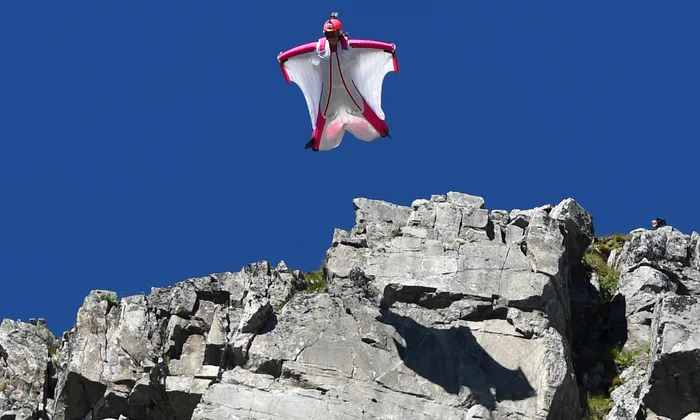
Wingsuit BASE jumping takes the already dangerous activity of BASE jumping and adds another layer of complexity and risk. Wingsuit flyers wear special suits with fabric between their arms and legs, creating a surface area that allows them to glide horizontally while descending. This modification enables spectacular flights but introduces additional hazards that increase the already high fatality rates.
The death rate for wingsuit BASE jumping exceeds that of standard BASE jumping significantly. Estimates suggest wingsuit BASE jumpers face approximately 1 death per 500 jumps, making it one of the most dangerous activities humans regularly attempt. The combination of high speeds, proximity to terrain, and complex equipment requirements creates numerous opportunities for fatal mistakes.
Wingsuit deaths occur for various reasons that differ from standard BASE jumping fatalities. Jumpers must maintain precise body positions to control their flight path, and small errors can send them crashing into rock faces or other obstacles. The suits themselves can malfunction, developing tears or losing rigidity that causes uncontrollable spins or dives.
The technique required for safe wingsuit flying demands extensive experience in both skydiving and BASE jumping before attempting wingsuit flights. Many experts recommend completing at least 200 skydives and 50 to 100 BASE jumps before trying wingsuit BASE jumping. Despite these recommendations, some enthusiastic newcomers attempt wingsuit flights too early in their progression, often with tragic consequences.
Famous BASE Jumpers Who Have Died
The BASE jumping community has lost many talented and experienced jumpers over the years, demonstrating that even the best can fall victim to this unforgiving sport. These tragedies remind us that no amount of experience completely eliminates the risks involved in BASE jumping.
Many pioneering BASE jumpers who helped develop modern techniques and equipment have died pursuing their passion. Their deaths often shock the community because these individuals represented the highest levels of skill and experience. When experts with thousands of jumps perish, it reinforces the message that BASE jumping will always carry unavoidable dangers.
Each lost jumper leaves behind family, friends, and fellow enthusiasts who must cope with preventable tragedy. These deaths create ripples through the tight-knit BASE jumping community, often prompting discussions about safety practices and whether certain jumps should be attempted at all. However, the allure of the sport continues to attract new participants despite the well-documented risks.
The media attention surrounding famous BASE jumper deaths sometimes glamorizes the activity while simultaneously highlighting its dangers. This contradictory message can confuse people about the true nature of BASE jumping risks, potentially attracting thrill-seekers who underestimate the activity’s hazards.
Learning from BASE Jumping Statistics and Safety
Understanding BASE jumping statistics helps potential jumpers make informed decisions about whether to pursue this extreme sport. The numbers clearly show that BASE jumping carries far greater risks than most other recreational activities, including traditional skydiving. Anyone considering BASE jumping should carefully weigh these statistics against their personal risk tolerance.
Safety improvements continue to emerge from the BASE jumping community through better training programs, improved equipment designs, and shared knowledge about dangerous locations and conditions. Modern BASE jumpers have access to far more information than pioneers who first attempted these jumps decades ago. However, even with these advances, the fundamental dangers remain largely unchanged.
Responsible BASE jumpers emphasize thorough preparation, conservative decision-making, and willingness to walk away from jumps when conditions seem questionable. The best jumpers understand that living to jump another day matters more than completing every planned jump. This cautious mindset helps experienced jumpers survive longer in this demanding sport.
New jumpers should invest significant time and money in proper training before attempting their first BASE jump. Many accidents occur when inexperienced jumpers skip essential training steps or rush their progression. Learning from qualified instructors and following established progression guidelines dramatically improves survival chances.
Comparing BASE Jumping to Traditional Skydiving
People often wonder how BASE jumping compares to traditional skydiving in terms of danger and safety. While both activities involve parachutes and falling through the air, they differ dramatically in risk levels and required precautions. Understanding these differences helps clarify why BASE jumping remains so much more dangerous.
Traditional skydiving benefits from higher altitudes that provide ample time for emergency procedures if problems arise. Skydivers carry reserve parachutes that can save their lives if main parachutes malfunction. They jump from aircraft in controlled conditions after checking weather forecasts and wind patterns. Drop zones feature large, obstacle-free landing areas specifically designed for safe parachute landings.
BASE jumping lacks all these safety features. The low altitudes mean no time for reserve parachutes or emergency procedures. Jumpers launch from fixed objects regardless of whether weather conditions are ideal. Landing zones often include rocks, trees, water, or other hazards that would never exist at proper skydiving facilities. These fundamental differences explain why BASE jumping remains exponentially more dangerous.
The skills required for each activity overlap but also differ significantly. Good skydivers must master body control, parachute operation, and emergency procedures. BASE jumpers need all these skills plus the ability to assess jump sites, understand how fixed objects affect their descent, and execute perfect parachute deployments with no margin for error.
Making Informed Decisions About Extreme Sports
Before pursuing BASE jumping or any extreme sport, individuals should carefully consider whether the rewards justify the risks involved. Some people find that the intense experiences and personal growth from extreme sports enhance their lives meaningfully. Others decide that the potential for injury or death outweighs any benefits the activities might provide.
Families and loved ones deserve consideration in these decisions. When someone dies BASE jumping, the tragedy affects far more people than just the jumper. Parents, spouses, children, and friends must cope with preventable loss that creates lasting emotional damage. Responsible people weigh these impacts before engaging in highly dangerous activities.
Alternative activities can provide similar thrills with significantly lower risks. Traditional skydiving offers much of the excitement of BASE jumping while maintaining far better safety records. Indoor skydiving facilities let people experience freefall sensations in completely controlled environments. Rock climbing, paragliding, and other extreme sports provide adrenaline rushes without the extreme fatality rates associated with BASE jumping.
Frequently Asked Questions About BASE Jumping Deaths
What is the death rate for BASE jumping compared to regular skydiving?
BASE jumping has a death rate approximately 5 to 8 times higher than traditional skydiving. Studies estimate roughly one death per 2,300 BASE jumps, while skydiving sees approximately one fatality per 220,000 jumps. This significant difference reflects the inherent dangers of jumping from low altitudes near fixed objects.
Why is BASE jumping banned in so many locations?
Authorities ban BASE jumping primarily due to public safety concerns, rescue operation costs, environmental protection needs, and legal liability issues. The activity places enormous strain on emergency services when accidents occur in remote areas. Many jurisdictions have decided that the risks and costs outweigh any potential benefits from allowing BASE jumping.
How many wingsuit deaths occur each year?
Exact numbers vary annually, but wingsuit BASE jumping accounts for a significant portion of BASE jumping fatalities overall. The death rate for wingsuit BASE jumping is estimated at roughly 1 per 500 jumps, making it even more dangerous than standard BASE jumping. The combination of high speeds, terrain proximity, and equipment complexity creates substantial risks.
Have any famous BASE jumpers died?
Yes, the BASE jumping community has lost many experienced and talented jumpers over the years. These tragedies affect the entire community and serve as stark reminders that even experts face unavoidable dangers. The deaths of skilled jumpers demonstrate that experience alone cannot eliminate BASE jumping risks.
How dangerous is wingsuit BASE jumping compared to other extreme sports?
Wingsuit BASE jumping ranks among the most dangerous activities humans regularly attempt. It combines the inherent dangers of BASE jumping with additional complexity from the wingsuit equipment and high-speed proximity flying. The activity requires exceptional skill, extensive experience, and perfect execution to survive.
Can better equipment make BASE jumping safer?
While modern equipment offers improvements over older designs, it cannot eliminate the fundamental dangers of BASE jumping. Better parachutes, tracking suits, and safety gear help reduce certain risks, but the activity’s core hazards remain unchanged. Low altitudes, fixed obstacles, and unpredictable conditions will always make BASE jumping extremely dangerous.
Taking the Next Steps Safely
If you want to learn more about skydiving and aerial sports safety, visit Skydive Guides for comprehensive information about making informed decisions. Our resources help people understand the risks and rewards of various aerial activities, from traditional skydiving to more extreme pursuits.
Remember that knowledge is your best tool for staying safe in any sport. Understanding the real risks of activities like BASE jumping helps you make choices that align with your values and risk tolerance. Whether you decide to pursue extreme sports or prefer safer alternatives, making informed decisions protects both you and the people who care about you.
The statistics and stories surrounding BASE jumping deaths in 2026 remind us that some activities carry irreducible dangers that no amount of preparation can completely eliminate. Respecting these realities helps everyone make better choices about how to pursue adventure while preserving the precious gift of life.