
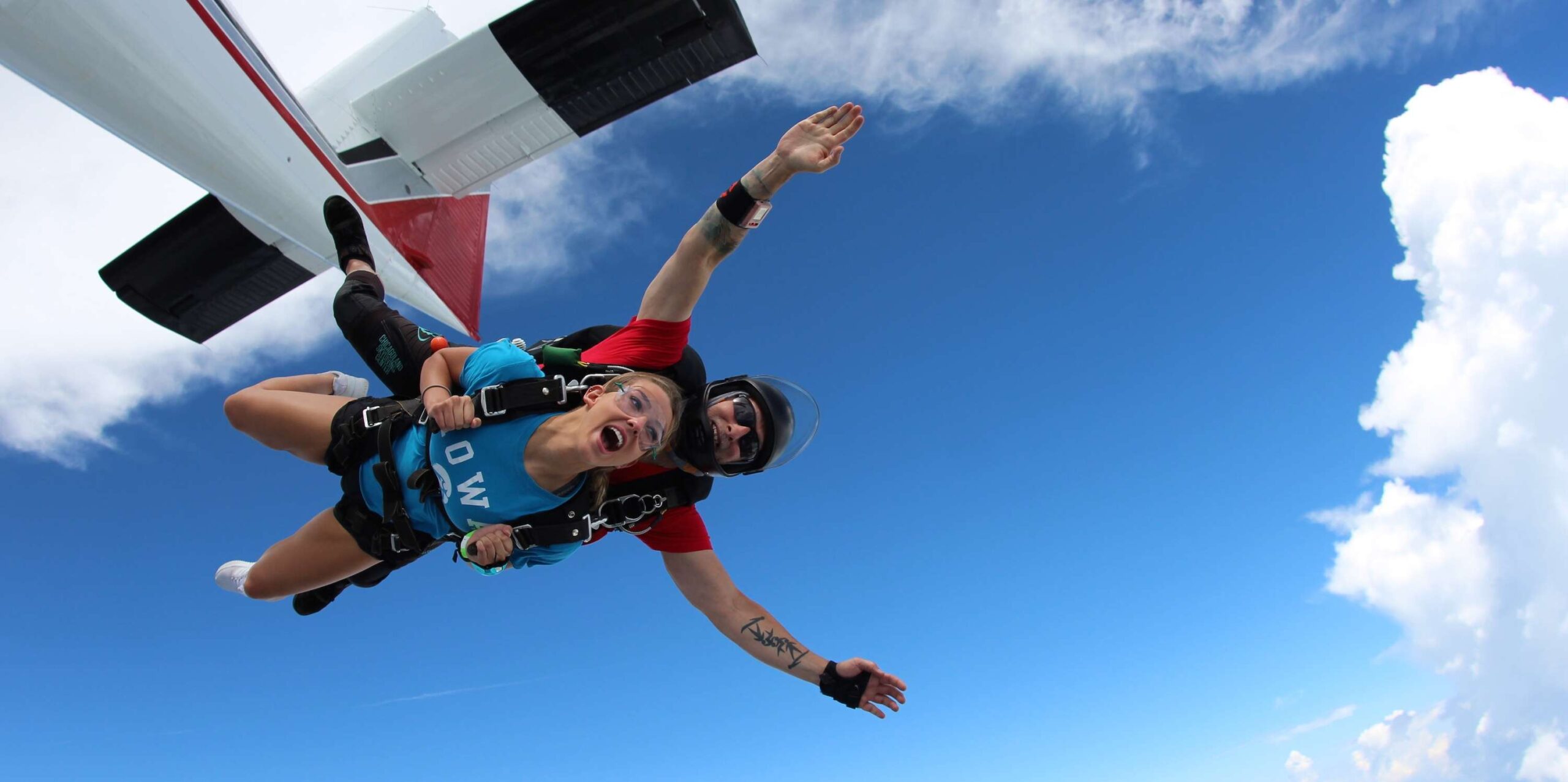
Skydiving — and parachuting in general — looks extreme and even deadly to people who have never tried it. Watching someone leap from an airplane at 15,000 feet naturally triggers one question: is skydiving actually safe?
The data says yes — with important context. According to the United States Parachute Association (USPA), which has tracked every civilian skydiving fatality in the US since 1961, the sport is safer in 2026 than at any point in its history. In 2024, the US recorded just 9 skydiving deaths from 3.88 million jumps — the first single-digit year ever. In 2025 that rose to 16 deaths, and 2026 data is still being compiled.
This guide breaks down the real statistics, the genuine dangers of skydiving and parachuting, and what makes the sport far safer than it looks — using verified USPA data from 2021 through 2026.
According to USPA annual safety reports, here is how the US skydiving fatality rate has trended from 2021 to 2026:
| Year | Fatalities | Total Jumps | Rate per 100,000 | Notable |
|---|---|---|---|---|
| 2021 | 10 | 3.57 million | 0.28 | Second-lowest rate at that time |
| 2022 | 20 | 3.90 million | 0.51 | Statistical spike — trend still down long-term |
| 2023 | 10 | 3.65 million | 0.27 | Record low rate at the time |
| 2024 | 9 | 3.88 million | 0.23 | All-time record low — first single-digit year since 1961 |
| 2025 | 16 | ~3.65 million | 0.46 | Rise from record low — still historically very low |
| 2026 | Data being compiled | ~3.7 million est. | TBC | Year in progress as of May 2026 |
Key context for 2026: USPA publishes annual fatality summaries after each calendar year closes. The full 2026 report will be published in early 2027. Until then, the most current complete data is from 2025.
The long-term story is clear: in the 1970s, the US averaged 42 skydiving deaths per year. In 2024, that hit an all-time low of 9 — while annual jump numbers grew from tens of thousands to nearly 4 million. That is a 97% improvement in the fatality rate over six decades.
On any single skydive in 2024 (the safest year on record), your odds of a fatal outcome were approximately 1 in 431,000. Even in 2025’s higher-than-2024 year, the odds were still approximately 1 in 228,000.
Source: USPA Annual Fatality Summaries 2021–2025 — uspa.org
Why Skydiving Feels Dangerous (But Usually Isn’t)
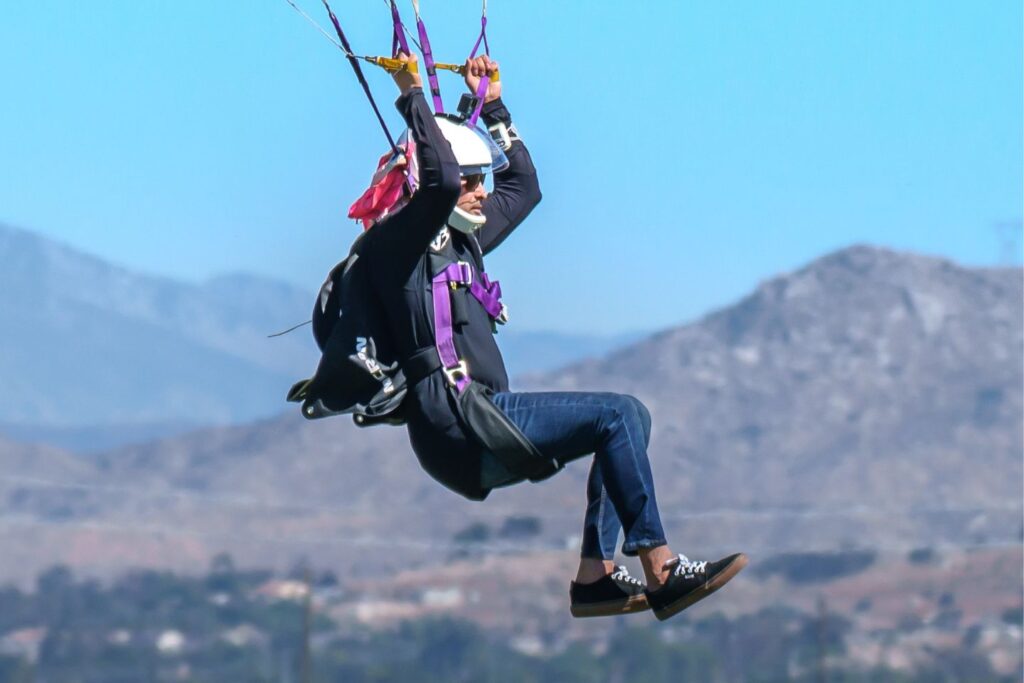
The idea of falling from thousands of feet above the ground triggers a natural fear response. Humans are not designed to fly, so the brain immediately associates skydiving with danger.
However, perception and reality are very different.
Modern skydiving is a highly regulated, professionally managed sport with strict safety standards, advanced equipment, and trained instructors. What looks risky from the outside is actually controlled at every step.
Skydiving Safety Statistics (The Numbers That Matter)
Statistics are the best way to understand real risk.
Skydiving Fatality Rate
Globally, the average skydiving fatality rate is approximately 0.39 deaths per 100,000 jumps.
That means:
- More than 99.999% of skydives are completed safely
- Fatal incidents are extremely rare
To put this into perspective, everyday activities like driving, swimming, or cycling have significantly higher accident rates.
You can explore deeper data trends in our detailed breakdown of skydiving deaths per year on SkydiveGuides.com.
Skydiving vs Everyday Risks
Many people are surprised when they compare skydiving risks to daily activities.
Statistically:
- Driving a car is far more dangerous than skydiving
- Swimming accidents occur more frequently than skydiving accidents
- Hiking and mountain climbing have higher injury rates
Skydiving only feels riskier because it is unfamiliar.
Why Tandem Skydiving Is Extremely Safe
For first-time jumpers, tandem skydiving is the safest possible way to experience the sport.
In a tandem jump:
- You are attached to a licensed instructor
- The instructor controls the jump, parachute, and landing
- Backup parachutes are mandatory
- Automatic activation devices are installed
Tandem instructors complete thousands of jumps before taking students.
If you are new, read our beginner guide on what to expect on your first skydive to understand the full process.
Safety Equipment Used in Modern Skydiving
Main Parachute and Reserve Parachute
Every skydiver uses:
- One main parachute
- One reserve parachute (packed by a certified rigger)
The reserve parachute is rarely used but always ready.
Automatic Activation Device (AAD)
An AAD automatically deploys the reserve parachute if a skydiver is falling too fast at a low altitude.
This device has saved thousands of lives worldwide and is a mandatory safety requirement at most drop zones.
Harness and Container Systems
Modern harness systems are designed to withstand extreme force and are inspected regularly.
Equipment failure is extremely rare due to strict maintenance rules.
To understand gear in more detail, visit our guide on skydiving gear for beginners on SkydiveGuides.com.
How Instructors Reduce Risk
Instructor training is one of the strongest safety pillars in skydiving.
Certified instructors must:
- Complete hundreds to thousands of jumps
- Pass medical fitness tests
- Renew licenses regularly
- Follow strict operational procedures
Human error is minimized through training, checklists, and standardized protocols.
Common Skydiving Risks (And How They’re Managed)
Equipment Malfunction
Parachute malfunctions are rare and usually non-life-threatening due to:
- Backup parachutes
- Instructor intervention
- Automatic safety systems
Weather Conditions
Bad weather is one of the biggest risks, which is why jumps are canceled during:
- High winds
- Storms
- Low visibility
Professional drop zones never compromise on weather safety.
Health-Related Risks
Skydiving may not be recommended for people with certain medical conditions.
Before jumping, disclose:
- Heart conditions
- Recent surgeries
- Severe back or neck issues
General health preparation is important. Resources like provide useful information on fitness and wellness before high-adrenaline activities.
Is Skydiving Safe for Older People?
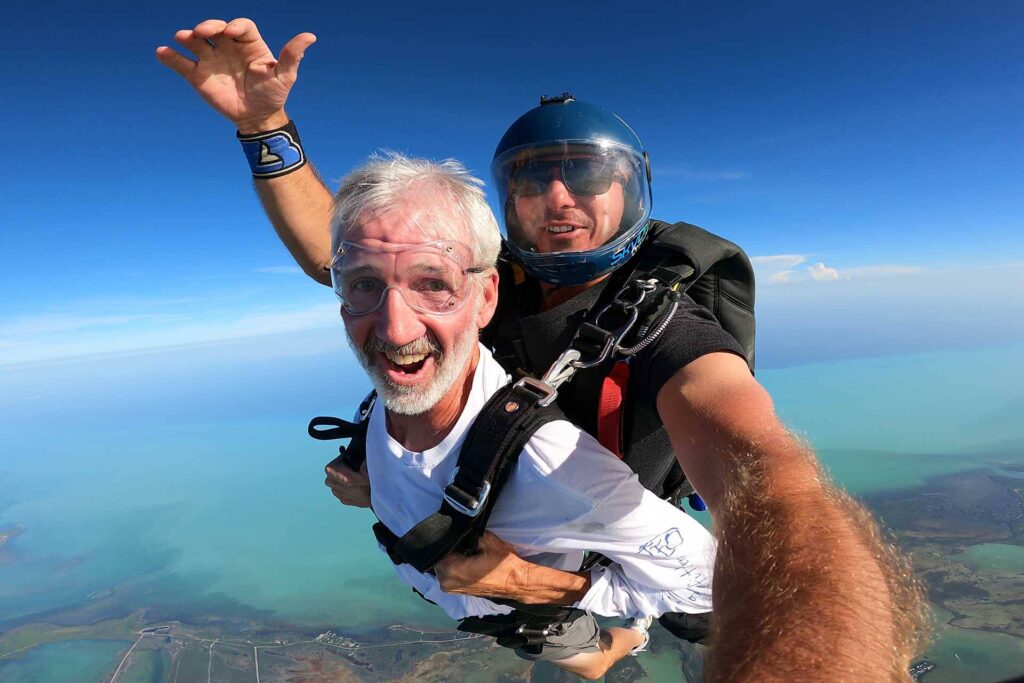
Age alone does not make skydiving unsafe.
Many people in their 60s, 70s, and even 80s have safely completed tandem jumps. As long as you meet health and weight requirements, age is rarely a limiting factor.
Is Skydiving Safe for Overweight Individuals?
Weight limits exist for safety reasons, including:
- Parachute performance
- Instructor control
- Landing impact
Many drop zones allow heavier jumpers with small surcharges.
Solo Skydiving Safety vs Tandem Skydiving
Solo skydiving carries slightly higher risk than tandem skydiving because:
- You control your own parachute
- You make altitude and timing decisions
However, solo skydivers undergo extensive training before jumping independently.
If you are deciding between the two, read tandem skydiving vs solo skydiving on SkydiveGuides.com.
Skydiving Safety Compared to Other Adventure Sports
When compared to activities like scuba diving, rock climbing, or mountaineering, skydiving is statistically safer per participation hour.
Scuba diving safety depends heavily on conditions, depth, and breathing equipment. You can compare underwater adventure risks and destinations.
Skydiving’s advantage lies in strict standardization and short exposure time.
Psychological Safety: Fear vs Reality
Fear is the biggest challenge for beginners, not actual danger.
Once the jump begins:
- Fear turns into excitement
- Panic rarely lasts more than seconds
- Trust in instructors takes over
Mental preparation reduces anxiety significantly.
How Drop Zones Maintain Safety Standards
Professional drop zones follow:
- Aviation authority regulations
- Equipment inspection schedules
- Instructor licensing rules
- Emergency response protocols
Drop zones that cut corners do not survive long in this industry.
Warning Signs of an Unsafe Drop Zone
Avoid drop zones that:
- Pressure you to jump in bad weather
- Skip training briefings
- Use poorly maintained equipment
- Cannot show instructor certifications
Reputable drop zones prioritize safety over profits.
Frequently Asked Questions About Skydiving Safety
Is skydiving safer than driving?
Statistically, yes.
Has skydiving become safer over time?
Yes. Technology and training have significantly reduced risks.
Can parachutes fail?
Multiple systems exist to prevent failure from becoming fatal.
Is tandem skydiving safer than solo?
Yes, especially for beginners.
What is the biggest skydiving risk?
Weather and poor decision-making, both of which are controlled at professional centers.
Final Verdict: Is Skydiving Safe?
Skydiving is far safer than most people believe.
With modern equipment, strict regulations, and professional instructors, skydiving has become one of the safest extreme sports in the world.
Fear comes from the unknown. Knowledge removes fear.