

So you want to experience the thrill of freefall, but you are not sure where to start. Should you go straight to jumping out of a real plane? Or does indoor skydiving make more sense for a first-timer? This is one of the most common questions we get at SkydiveGuides.com, and honestly, the answer depends on who you are and what you are looking for.
Both options are incredible in their own way. But they are also very different experiences with different price points, different risk levels, and different feelings in your body. In this guide, we are going to break down everything you need to know about indoor skydiving vs outdoor skydiving so you can make the right call for yourself.
What Is Indoor Skydiving?
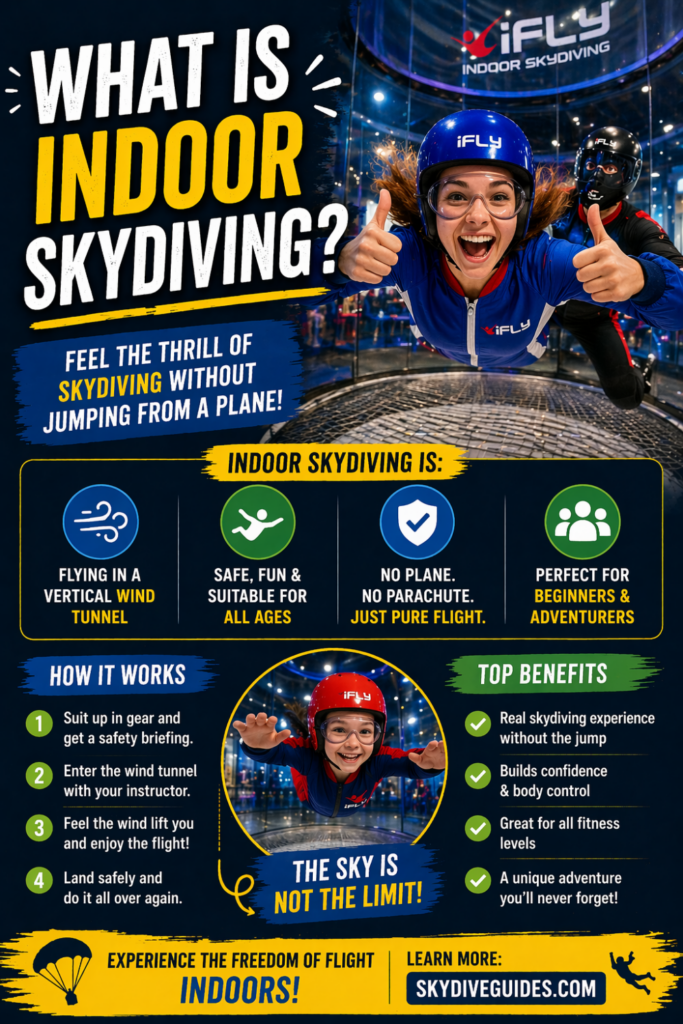
Indoor skydiving, sometimes called wind tunnel flying or bodyflight, is a simulated freefall experience that happens inside a giant vertical wind tunnel. A powerful fan pushes air upward at speeds of around 120 to 180 miles per hour, which is enough to lift your entire body off the ground and keep you floating in mid-air.
You wear a special jumpsuit, helmet, and goggles, and a trained instructor guides you through the experience from inside the tunnel or by giving hand signals from outside the glass. The whole thing looks almost exactly like real freefall — your body position, the wind noise, the sensation of floating — it is remarkably close to the real thing.
The most well-known chain of indoor skydiving facilities in the US is iFly, which has locations in dozens of cities including Chicago, Orlando, Dallas, Atlanta, Las Vegas, and many more.
What Is Outdoor Skydiving?
Outdoor skydiving, which most people simply call skydiving, involves jumping from an aircraft at altitudes between 10,000 and 15,000 feet above the ground. For first-timers, this almost always means a tandem skydive where you are harnessed to a certified instructor who handles all the technical parts — the parachute deployment, the steering, and the landing.
You freefall at around 120 miles per hour for anywhere between 30 seconds and 90 seconds depending on your jump altitude, and then the parachute opens and you glide peacefully down to the drop zone below. The whole experience from door to landing usually takes around 5 to 7 minutes.
If you want a deeper look at how your first jump works from start to finish, check out our complete guide for first-time skydivers on SkydiveGuides.com.
The Core Differences — A Side-by-Side Look
Understanding the real differences between these two experiences helps you choose the right one based on your goals, your budget, and your comfort level with risk.
When it comes to the feeling, indoor skydiving gives you the bodyflight sensation — you are floating on air, learning to control your body position, and feeling the wind rush. But you are always just a few feet off the ground in a controlled room. Outdoor skydiving gives you the full emotional package — the aircraft ride up, the terrifying and exhilarating door moment, the stomach drop of actual freefall from two miles above the earth, and the peaceful canopy ride down with a view you will never forget. The emotional intensity of outdoor skydiving is simply not something indoor can replicate.
When it comes to cost, indoor skydiving is significantly cheaper for a one-time experience. A beginner session at iFly or a similar facility typically runs between $50 and $100 per person. A tandem outdoor skydive usually starts at $150 and can go up to $300 or more depending on altitude and location. If you want to understand the full cost of skydiving in detail, we have a separate breakdown on that as well.
When it comes to safety, both are very safe when done at reputable facilities. Indoor skydiving carries essentially no risk of serious injury for most people since you are always close to the ground with an instructor present. Outdoor tandem skydiving has a very low accident rate — the USPA reports roughly one fatality per 500,000 tandem jumps — but there is always a small inherent risk that comes with jumping from an aircraft. For anyone with health concerns, indoor is the obvious safer choice.
When it comes to age and physical requirements, indoor skydiving is far more accessible. Many iFly locations welcome children as young as 3 years old, and there is no upper age limit for most healthy adults. Outdoor skydiving in the US requires you to be at least 18 years old, and most drop zones enforce a weight limit for skydiving of around 220 to 250 pounds for tandem jumpers.
When it comes to location and convenience, indoor skydiving wins easily. Wind tunnel facilities are in the middle of major cities, often in shopping centers or entertainment districts. You can book a session in the morning and be flying by the afternoon. Outdoor drop zones are usually located outside of cities, require more travel, and are far more weather-dependent.
Who Should Choose Indoor Skydiving?
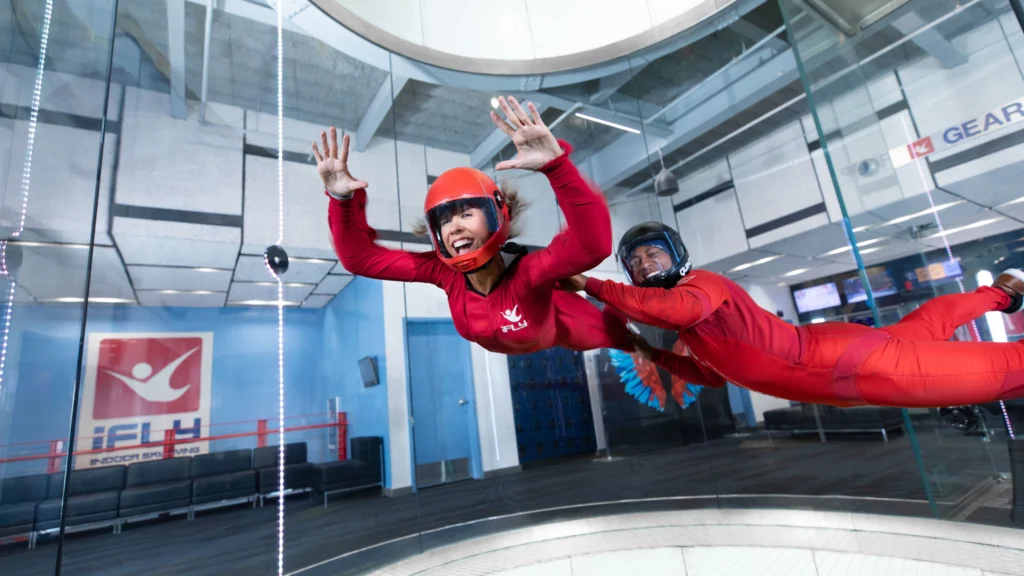
Indoor skydiving is a fantastic first choice if you are completely new to the sport and want to build a little confidence before committing to a plane jump. It is also perfect if you are traveling with young children or a mixed-age group where not everyone can do an outdoor jump. If you have a health condition that makes outdoor skydiving risky, or if your budget is tight right now, indoor is an excellent way to get a real taste of freefall without the full commitment.
Many serious skydivers actually use indoor facilities regularly to practice and improve their body position and aerial skills. It is not just for beginners — professionals train in wind tunnels because the controlled environment lets them drill specific techniques far more efficiently than they can in the air.
Who Should Choose Outdoor Skydiving?
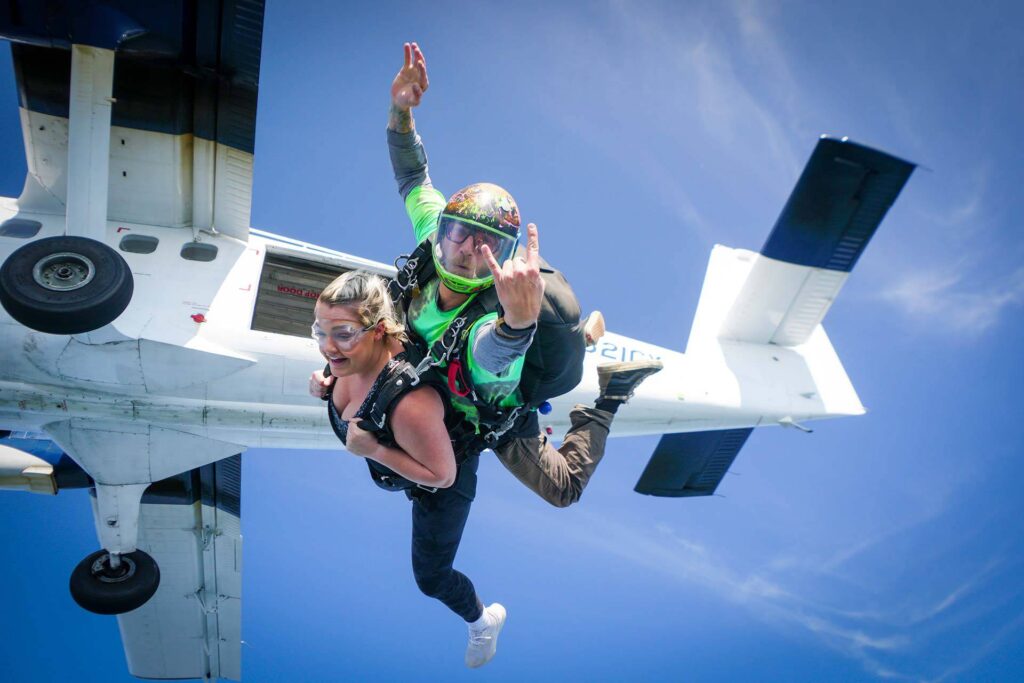
If you are chasing the full adrenaline experience, there is no substitute for the real thing. Outdoor skydiving delivers an emotional and sensory experience that no amount of wind tunnel time can fully prepare you for. The moment you exit the aircraft door, everything changes. The height, the speed, the noise, the view — it all hits you at once in a way that is genuinely life-changing for most people.
If you are already reasonably fit, comfortable with heights, and ready to invest a little more money for an unforgettable experience, a tandem skydive should be your first choice. Most people who do it describe it as one of the best days of their life.
Can You Do Both? Absolutely.
Here is something a lot of people do not realize — indoor and outdoor skydiving are not competitors, they are actually complements. A huge number of new skydivers do an indoor session first to get comfortable with body position and the feeling of wind, and then follow it up with a tandem outdoor jump shortly after. Many say the indoor experience made their outdoor jump feel less overwhelming because their body already had some instinct for the freefall position.
If you have the time and budget, doing both in the same week or month is honestly the ideal way to go.
Our Gear Picks for Your First Jump
Whether you choose indoor or outdoor, having the right gear makes a difference — especially once you start jumping more regularly.
For indoor skydiving beginners, a good pair of close-fitting athletic clothes works fine for your first session. But if you plan to fly regularly, investing in a quality bodyflight suit makes a huge difference for control and comfort. The Tonysuit Birdman Classic Jumpsuit is one of the best entry-level suits for wind tunnel work and is available on Amazon — check the latest price here. It is what many instructors recommend to students moving beyond their first few sessions.
For outdoor tandem jumpers, your gear is provided by the drop zone. But if you are looking to eventually get licensed and jump solo, you will need your own rig. The Javelin Odyssey student rig is widely regarded as one of the best beginner parachute systems on the market. You can find reviews and buying guides at SkydiveGuides.com gear where we break down the best equipment for every level.
For anyone serious about logging jumps and tracking their progression, a reliable skydiving altimeter is essential. The Altimaster Galaxy wrist-mounted altimeter is a popular choice among new licensed jumpers — see current pricing here.
Frequently Asked Questions About Indoor Skydiving vs Outdoor Skydiving
Is indoor skydiving the same feeling as real skydiving?
It is similar but not the same. The body position and wind sensation are close, but the emotional intensity, the altitude, and the full sensory experience of jumping from a plane are things indoor cannot fully replicate. Think of indoor as a great preview, not an exact copy.
Can a child do indoor skydiving?
Yes, most indoor skydiving facilities like iFly allow children as young as 3 years old. It is a great family activity. Outdoor skydiving in the US requires participants to be at least 18.
Is indoor skydiving worth the money?
Absolutely, especially as a first experience or a gift. Two minutes of wind tunnel time goes quickly but packs a real punch. Most people come out wanting to do it again immediately.
Which is scarier — indoor or outdoor skydiving?
Outdoor skydiving is significantly scarier for most people, simply because you are actually jumping from an aircraft at high altitude. The door moment alone is something that stays with you forever. Indoor skydiving is exciting but rarely described as scary.
Do professional skydivers use wind tunnels?
Yes, regularly. Wind tunnels are used by competitive skydivers, freefly athletes, and formation teams to train specific skills in a controlled environment. Many world-record holders spend significant time in the tunnel alongside their outdoor jumping.
Can indoor skydiving help you prepare for a real jump?
Yes, it helps you understand basic body position and what the wind feels like against your body. It will not prepare you for the emotional experience of aircraft exit, but it does take some of the physical mystery out of freefall.
The Verdict
If you are looking for pure convenience, lower cost, and family-friendly accessibility, start with indoor skydiving. If you want the real, full, heart-pounding, life-changing experience of human flight, nothing beats jumping from a plane.
Either way, you are in for something special. And if you want help finding the best drop zones or indoor facilities near you, the SkydiveGuides.com location finder is the easiest place to start. We have reviewed hundreds of facilities across the US so you do not have to guess.