
Skydiving is widely known as one of the most exciting adventure sports in the world. Although modern skydiving has become extremely safe thanks to advanced equipment and professional training, accidents can still occur in rare situations.
Understanding the skydiving accident causes helps explain why incidents happen and how safety improvements have reduced risks over time. In most cases, accidents are not caused by equipment failure but by human factors, environmental conditions, or risky maneuvers.
In this guide, we’ll explore the most common causes of skydiving accidents, how often they happen, and the safety systems designed to prevent them.
Skydiving Accident Statistics (Quick Overview)
Modern skydiving safety statistics show that accidents are very rare compared to the number of jumps performed worldwide.
| Statistic | Estimated Data |
|---|---|
| Annual skydives worldwide | 6–7 million |
| Serious accident rate | ~1 per 10,000 jumps |
| Fatal accident rate | ~1 per 200,000 jumps |
| Survival rate per jump | 99.99%+ |
These statistics show that skydiving is much safer than many people assume.
For a broader overview of global safety data, you can also explore our guide on skydiving statistics worldwide.
Most Common Skydiving Accident Causes
Although rare, skydiving accidents can occur due to several factors. The majority of incidents involve human decision-making rather than equipment failure.
1. Human Error
Human error is the leading cause of most skydiving accidents.
Examples include:
- Misjudging altitude
- Delaying parachute deployment
- Poor landing decisions
Experienced skydivers attempting advanced maneuvers at low altitude are more likely to experience accidents.
2. Low-Altitude Maneuvers
One of the most dangerous practices in skydiving is performing aggressive turns or maneuvers close to the ground.
These maneuvers can reduce reaction time and increase the chance of a hard landing.
3. Poor Weather Conditions
Weather conditions play an important role in skydiving safety.
Strong winds, turbulence, or sudden weather changes can affect parachute control and landing accuracy.
Professional drop zones monitor weather conditions carefully before allowing jumps.
4. Equipment Misuse or Poor Maintenance
Although modern skydiving equipment is extremely reliable, improper maintenance or incorrect usage can increase risks.
Modern gear includes multiple safety systems designed to prevent failures.
You can learn more about these systems in our guide on skydiving equipment explained.
5. Inexperience in Solo Skydiving
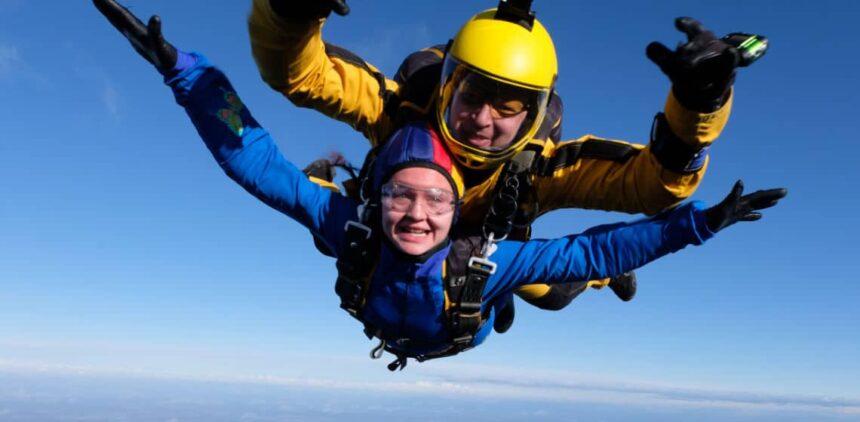
Most beginner jumps are performed as tandem skydives with instructors.
However, accidents are more likely to occur during solo skydives performed by inexperienced jumpers.
Professional instructor training helps reduce these risks.
Our guide on skydiving instructor training explains how instructors are certified to maintain safety standards.
How Technology Helps Prevent Skydiving Accidents
Modern skydiving equipment includes several safety innovations designed to reduce risks.
Important technologies include:
- Dual parachute systems
- Automatic Activation Devices (AAD)
- Digital altimeters
- Advanced parachute designs
These technologies have significantly improved safety across the skydiving industry.
You can explore these innovations in our guide on skydiving gear technology.
Are Skydiving Accidents Becoming Less Common?
Yes. Over the past several decades, skydiving accident rates have steadily declined.
Improvements in:
- equipment design
- instructor training
- safety regulations
have helped reduce the number of accidents.
According to data monitored by the United States Parachute Association (USPA), modern skydiving has one of the lowest accident rates among adventure sports.
What Happens During a Safe Skydive?
Understanding the skydiving process can help explain why accidents are rare.
A typical skydive includes:
- Safety briefing
- Aircraft ascent
- Exit from the plane
- Freefall (30–60 seconds)
- Parachute deployment
- Controlled landing
Our guide on skydiving experience timeline explains the complete skydiving process from takeoff to landing.
How Skydivers Reduce Accident Risk
Skydivers can significantly reduce risk by following several safety practices.
Follow Instructor Guidance
Always listen carefully to the instructions provided during safety briefings.
Avoid Risky Maneuvers
Beginners should avoid advanced skydiving maneuvers until they gain sufficient experience.
Check Equipment Carefully
Proper equipment inspection is essential before every jump.
Choose Certified Drop Zones
Reputable skydiving centers follow strict safety standards and maintenance procedures.
Conclusion
Understanding skydiving accident causes helps reveal that most incidents are preventable and often related to human decision-making rather than equipment failure. Thanks to modern parachute technology, professional training programs, and strict safety regulations, skydiving has become significantly safer over the years.
With survival rates exceeding 99.99% per jump, skydiving remains one of the most thrilling yet well-regulated adventure sports available today.
FAQs About Skydiving Accidents
What causes most skydiving accidents?
Most skydiving accidents are caused by human error, risky maneuvers, or poor weather conditions, not equipment failure.
How often do skydiving accidents happen?
Serious accidents occur roughly 1 in every 10,000 jumps.
Is skydiving equipment reliable?
Yes. Modern skydiving equipment includes backup systems designed to prevent failures.
Are beginners more likely to have accidents?
No. Most beginner skydives are tandem jumps with instructors, making them extremely safe.
Is skydiving becoming safer?
Yes. Advances in technology and training have significantly reduced accident rates over time.