

Tandem skydiving is one of the most popular adventure activities in the United States. Every year, millions of people jump from airplanes for the first time, usually attached to a certified instructor.
- What Is Tandem Skydiving?
- Tandem Skydiving Deaths Per Year (USA Statistics)
- Why Do Tandem Skydiving Fatalities Happen?
- Is Tandem Skydiving Safer Than Solo Skydiving?
- Who Pays If a Tandem Skydiving Accident Happens?
- How Safe Is Tandem Skydiving Compared to Other Activities?
- How to Reduce Risk During a Tandem Skydive
- Final Verdict: Is Tandem Skydiving Safe?
- Frequently Asked Questions (FAQs)
- 1. How many tandem skydiving deaths occur each year?
- 2. What are the odds of dying during a tandem skydive?
- 3. Is tandem skydiving safer than solo skydiving?
- 4. What causes most tandem skydiving deaths?
- 5. Can beginners safely do tandem skydiving?
- 6. Is tandem skydiving safer than driving a car?
- 7. Do tandem skydiving accidents usually involve equipment failure?
- 8. Can health conditions increase skydiving risk?
- 9. Has tandem skydiving become safer over the years?
- 10. Is tandem skydiving safe for older people?
- 11. How does tandem skydiving compare to other adventure sports?
- 12. Should I worry about dying during my first skydive?
But a common and very serious question remains:
👉 How many people die from tandem skydiving each year?
👉 Is tandem skydiving actually safe?
In this article, we’ll break down real statistics, risks, safety factors, and expert insights — all in simple language — so you can understand the truth behind tandem skydiving deaths.
What Is Tandem Skydiving?
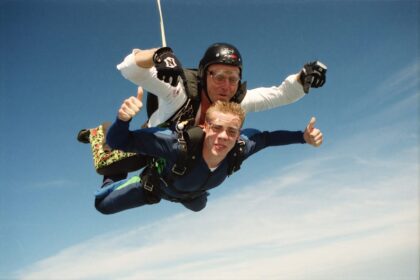
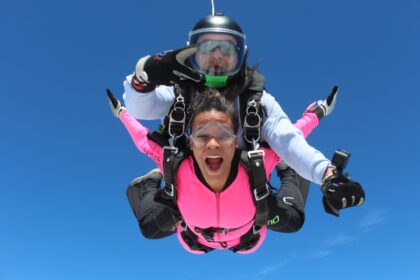
Tandem skydiving is a type of skydive where a beginner is securely attached to a certified instructor using a dual harness system.
The instructor is responsible for:
- Equipment checks
- Freefall control
- Parachute deployment
- Safe landing
This is why tandem jumps are considered the safest way to skydive, especially for first-timers.
Tandem Skydiving Deaths Per Year (USA Statistics)
According to industry safety data and skydiving organizations:
✅ Average Tandem Skydiving Deaths Per Year:
- 3 to 5 deaths per year in the United States
- Out of 3–4 million tandem jumps annually
📊 Risk Breakdown:
- Odds of death: ~1 in 500,000 jumps
- Fatality rate: 0.0002%
- Safer than:
- Motorcycle riding
- Scuba diving
- Mountain climbing
This makes tandem skydiving one of the safest adventure sports when performed with licensed operators.
Why Do Tandem Skydiving Fatalities Happen?
Tandem skydiving deaths are extremely rare, but when they occur, the reasons usually include:
1. Equipment Malfunction (Very Rare)
Modern parachute systems have:
- Main parachute
- Reserve parachute
- Automatic Activation Device (AAD)
Multiple backups make total failure extremely unlikely.
2. Human Error
Most fatal incidents are linked to:
- Improper equipment handling
- Instructor mistakes
- Ignoring safety procedures
This is why choosing a certified drop zone is critical.
3. Medical Emergencies
Some fatalities happen due to:
- Heart conditions
- Panic-induced complications
- Undiagnosed health issues
This is why medical screening matters before jumping.
4. Extreme Weather Conditions
Strong winds or sudden weather changes can increase risk, although jumps are usually cancelled in unsafe conditions.
Is Tandem Skydiving Safer Than Solo Skydiving?
Yes — significantly safer.
| Type | Risk Level |
|---|---|
| Tandem Skydiving | Very Low |
| Solo Skydiving | Moderate |
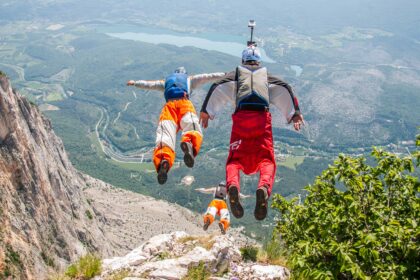
| Wingsuit Flying | High |
| BASE Jumping | Extremely High |
Tandem jumps are handled by professionals with thousands of jumps of experience.
Who Pays If a Tandem Skydiving Accident Happens?
In most cases:
- The diver is responsible for medical costs
- Health insurance may not cover extreme sports
- Dive centers are rarely liable unless negligence is proven
For a deeper explanation, read this detailed guide:
👉 Scuba Diving Medical Emergency Cost in the USA
How Safe Is Tandem Skydiving Compared to Other Activities?
| Activity | Risk Level |
|---|---|
| Tandem Skydiving | Very Low |
| Driving (per year) | Higher |
| Scuba Diving | Higher |
| Hiking | Moderate |
| Motorcycle Riding | High |
Statistically, you are more likely to be injured driving to the drop zone than during the jump itself.
How to Reduce Risk During a Tandem Skydive
✔ Choose a USPA-certified drop zone
✔ Verify instructor experience
✔ Follow weight & health guidelines
✔ Avoid alcohol or medication
✔ Listen carefully to instructions
You can also read this safety-focused guide for beginners:
👉 Is Skydiving Safe for Beginners
Final Verdict: Is Tandem Skydiving Safe?
✅ Yes — extremely safe when done correctly
✅ Deaths are extremely rare
✅ Safety systems are highly advanced
✅ Millions jump every year without incident
Tandem skydiving remains one of the lowest-risk adventure sports available today.
Frequently Asked Questions (FAQs)
1. How many tandem skydiving deaths occur each year?
On average, 3 to 5 tandem skydiving deaths occur per year in the United States. This number is extremely low compared to the millions of tandem jumps performed annually.
2. What are the odds of dying during a tandem skydive?
The odds of dying during a tandem skydive are approximately 1 in 500,000 jumps, making it one of the safest adventure activities when done with a certified operator.
3. Is tandem skydiving safer than solo skydiving?
Yes. Tandem skydiving is significantly safer than solo skydiving because the jump is handled by a trained instructor using dual parachute systems and strict safety protocols.
4. What causes most tandem skydiving deaths?
Most tandem skydiving fatalities occur due to:
- Rare equipment malfunction
- Human error
- Medical emergencies
- Extreme weather conditions
Modern safety systems make such incidents extremely rare.
5. Can beginners safely do tandem skydiving?
Yes. Tandem skydiving is specifically designed for first-time jumpers. Beginners do not need prior training, and the instructor controls the entire jump.
6. Is tandem skydiving safer than driving a car?
Statistically, yes. Driving a car carries a much higher risk of fatal accidents compared to tandem skydiving, which has strict safety standards and low fatality rates.
7. Do tandem skydiving accidents usually involve equipment failure?
No. Equipment failure is extremely rare because:
- Parachute systems include backups
- Automatic Activation Devices (AADs) are used
- Gear is inspected regularly
Most incidents are linked to human or medical factors.
8. Can health conditions increase skydiving risk?
Yes. Conditions such as heart disease, high blood pressure, or respiratory problems can increase risk. That’s why most drop zones require medical disclosures before jumping.
9. Has tandem skydiving become safer over the years?
Yes. Safety has improved significantly due to:
- Better parachute technology
- Improved training standards
- Stricter regulations
- Advanced emergency systems
Fatality rates have steadily declined over time.
10. Is tandem skydiving safe for older people?
Yes, as long as the person:
- Meets weight and health requirements
- Has no serious medical conditions
- Gets approval from the instructor
Age alone is not a disqualifier.
11. How does tandem skydiving compare to other adventure sports?
Tandem skydiving is generally safer than:
- Scuba diving
- Rock climbing
- Motorcycle riding
- Paragliding
It has one of the lowest fatality rates among adventure sports.
12. Should I worry about dying during my first skydive?
No. Tandem skydiving is designed to be extremely safe for beginners. With trained instructors, modern equipment, and strict safety checks, the risk is minimal.