
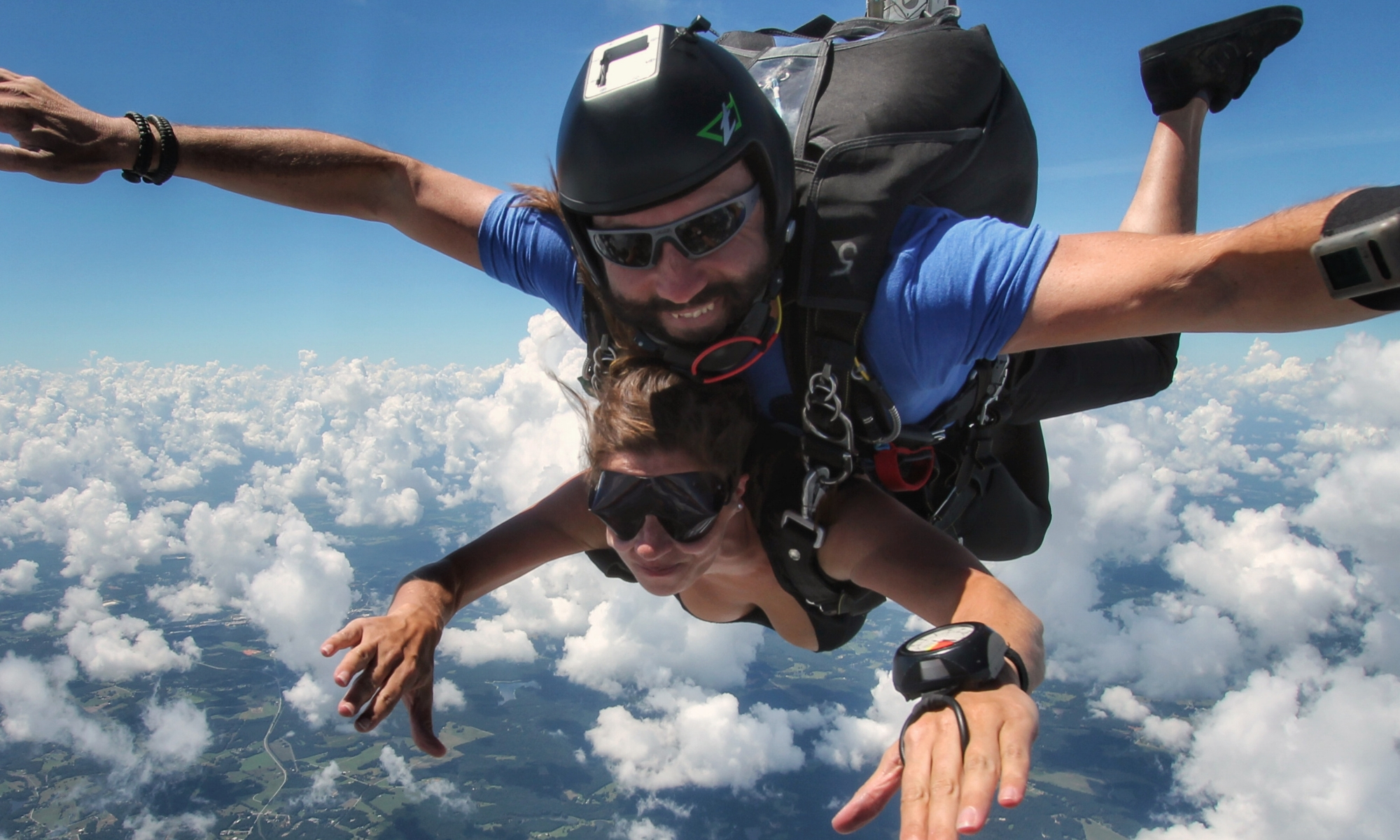
One of the most important conversations that never happens at the drop zone is the one about insurance. Skydivers talk about gear, weather, canopy choices, and jump numbers. Very few talk about what happens to their finances, their family, and their liability if something goes wrong.
This guide fills that gap completely. If you are a recreational skydiver, whether you are a first-timer booking your first tandem or a licensed jumper with 200 jumps on your log, understanding your insurance situation is not optional. It is responsible.
Here you will find a complete breakdown of how life insurance treats skydivers, what accident and medical coverage is available specifically for jumpers, what USPA membership actually covers, and which insurance companies in the USA, UK, Australia, and Canada are genuinely skydiver-friendly in 2026.
Why Skydiving Insurance Is a Separate Conversation
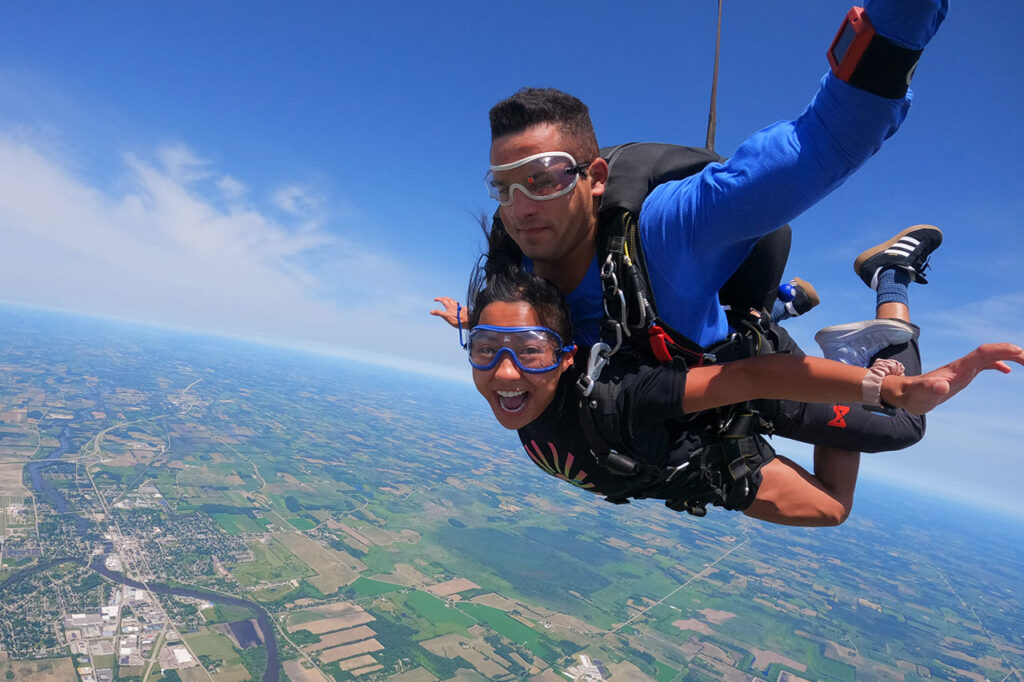
Most people assume their existing life insurance and health insurance cover everything. In the context of skydiving, that assumption is frequently wrong.
Standard life insurance policies in most countries treat skydiving as an excluded or heavily restricted activity. Health insurance typically covers medical treatment costs but may deny claims if the injury occurred during an activity classified as an extreme or high-risk sport. Disability insurance policies frequently contain exclusion clauses for injuries sustained during activities like skydiving, BASE jumping, and similar pursuits.
The result is that many recreational skydivers are jumping with a false sense of security. They believe they are covered. Their policies say otherwise.
Life Insurance and Skydiving: What You Need to Know
Standard Life Insurance Exclusions
Most standard life insurance policies in the USA, UK, Australia, and Canada contain an aviation exclusion or hazardous activity exclusion. Under these clauses, if you die while engaging in an activity the insurer classifies as high-risk, your beneficiaries may receive a reduced payout or no payout at all.
How strictly this exclusion is applied depends on the insurer. Some policies exclude aviation activities only if you are a pilot or crew member, which means skydiving may technically be covered. Others explicitly list parachuting or skydiving as excluded activities. Reading the exact policy wording matters enormously.
Getting Life Insurance as a Skydiver
You have three main options as a skydiving life insurance applicant.
The first option is a standard policy with an exclusion. Many insurers will issue you a standard policy but add a specific skydiving exclusion rider. This means your beneficiaries receive the full payout if you die from any cause except skydiving. This is often the cheapest and most accessible route.
The second option is a rated policy. Some insurers will cover skydiving-related deaths but charge a higher premium (called a rating) to account for the additional risk. This rating is typically calculated based on your jump frequency. Jumpers with under 50 jumps per year often pay a much lower rating than those jumping hundreds of times annually.
The third option is a specialist insurer. Several insurance companies and brokers specialize in high-risk sport coverage including skydiving. These policies are written specifically to cover all causes of death including skydiving-related incidents, often without the steep premium increases that standard rated policies carry.
Specialist Life Insurance Options for Skydivers (2026)
In the USA, companies including Duncanson and Holt, Global Life, and specialist brokers like Risk Life Advisors work regularly with skydivers and offer competitive coverage.
In the UK, companies like British Seniors, Freedom Health Insurance, and specialist brokers including Pulse Insurance and LifeSearch have experience placing life cover for adventure sports participants.
In Australia, NobleOak and TAL offer policies that can accommodate recreational skydivers with transparent application processes.
In Canada, specialists including Hub International and Manulife Affinity have options available for adventure sports participants with flexible exclusion management.
Important: Always disclose your skydiving activity when applying for any life insurance policy. Non-disclosure is the most common reason claims are denied. If you are honest about your activity and your insurer accepts the policy, your cover is solid. If you hide it and they find out during a claim, your beneficiaries receive nothing.
Health Insurance and Skydiving Injuries
Most health insurance plans in the USA cover emergency medical treatment regardless of how the injury occurred, including skydiving. The Affordable Care Act in the USA prohibits insurers from denying emergency care based on how an injury happened.
However, non-emergency follow-up care, rehabilitation, and longer-term treatment costs may be subject to policy terms that exclude high-risk activity injuries. Always review your specific health insurance policy’s definition of covered events.
In the UK, NHS treatment covers all citizens regardless of injury cause. Private health insurance policies may have sport exclusions, so check your policy’s schedule of exclusions carefully.
In Australia, Medicare covers skydiving-related injuries under emergency and hospital coverage. Private health insurance extras coverage for physiotherapy and rehabilitation may have sport exclusion clauses.
Disability Insurance for Skydivers
Disability insurance, which replaces a percentage of your income if you cannot work due to injury, is the area where skydivers face the most significant coverage gaps.
Most standard disability insurance policies will either exclude disability resulting from skydiving injuries or require a specific high-risk sport rider (at additional cost) to include it. This is particularly important for jumpers who are self-employed, freelancers, or working in physically demanding professions where any injury could affect their ability to earn.
If you hold a disability insurance policy and are a recreational skydiver, contact your insurer directly and ask for written confirmation of whether skydiving-related disability is covered. Get the answer in writing. Verbal assurances from insurance sales staff are not legally binding.
USPA Membership: What Coverage Does It Actually Include?
This is one of the most misunderstood topics in the skydiving community. The United States Parachute Association (USPA) offers membership that includes a level of liability coverage, but many jumpers overestimate what it provides.
USPA Group Member drop zones are required to carry their own liability insurance that covers organized jump operations. This protects the drop zone in the event of a claim but does not serve as personal life or accident insurance for individual jumpers.
Individual USPA membership (approximately $85 per year in 2026) includes membership in an organization that advocates for skydiving rights, provides access to drop zones globally, and offers Parachutist magazine. It does not include personal accident insurance, personal liability insurance, or life insurance coverage.
Some USPA membership tiers or affiliated programs do offer access to group accident insurance at reduced rates. Check the current USPA membership benefits page for the most up-to-date information on any included coverage options.
British Skydiving Membership Coverage
In the UK, British Skydiving (formerly the British Parachute Association) membership includes third-party liability cover up to £2.5 million for incidents occurring during organized skydiving activities. This is a meaningful benefit that protects members if they cause injury or property damage to a third party while jumping.
It does not, however, include personal accident, life, or disability insurance for the member themselves.
Australian Parachute Federation Membership
APF membership in Australia includes public liability coverage for incidents during organized jumping activities. Like USPA and British Skydiving, it does not include personal accident or life insurance for individual members.
Personal Accident Insurance for Skydivers
Personal accident insurance pays a lump sum or weekly benefit if you sustain an injury that prevents you from working, or a death benefit to your beneficiaries. Unlike life insurance, personal accident policies typically cost significantly less and can be purchased for specific activity coverage.
Several options are worth knowing about for skydivers specifically.
Global Rescue offers accident and medical evacuation coverage that includes adventure sports activities including skydiving. This is particularly useful for skydivers who travel internationally to jump.
World Nomads offers adventure sports travel insurance that can include skydiving coverage. This is an excellent option for jumpers planning a skydiving trip abroad, covering both the activity and standard travel insurance needs.
In the UK, Snowcard and BMC (British Mountaineering Council) affiliate insurers offer activity-specific personal accident coverage that includes parachuting for reasonable annual premiums.
Liability Insurance: Protecting Yourself Against Third-Party Claims
Personal liability insurance for skydivers covers situations where your actions while skydiving cause injury or property damage to a third party. Canopy collisions, off-target landings that damage property, and similar incidents are rare but do occur.
In the USA, your drop zone’s liability insurance typically covers organized jump operations. However, if you cause an incident off the landing area or during an unsupervised jump, your personal liability may not be covered.
Some homeowner’s and renter’s insurance policies in the USA include personal liability coverage that extends to recreational activities. Review your existing policy to determine if skydiving activities are included or explicitly excluded.
How Much Does Skydiving Insurance Cost?
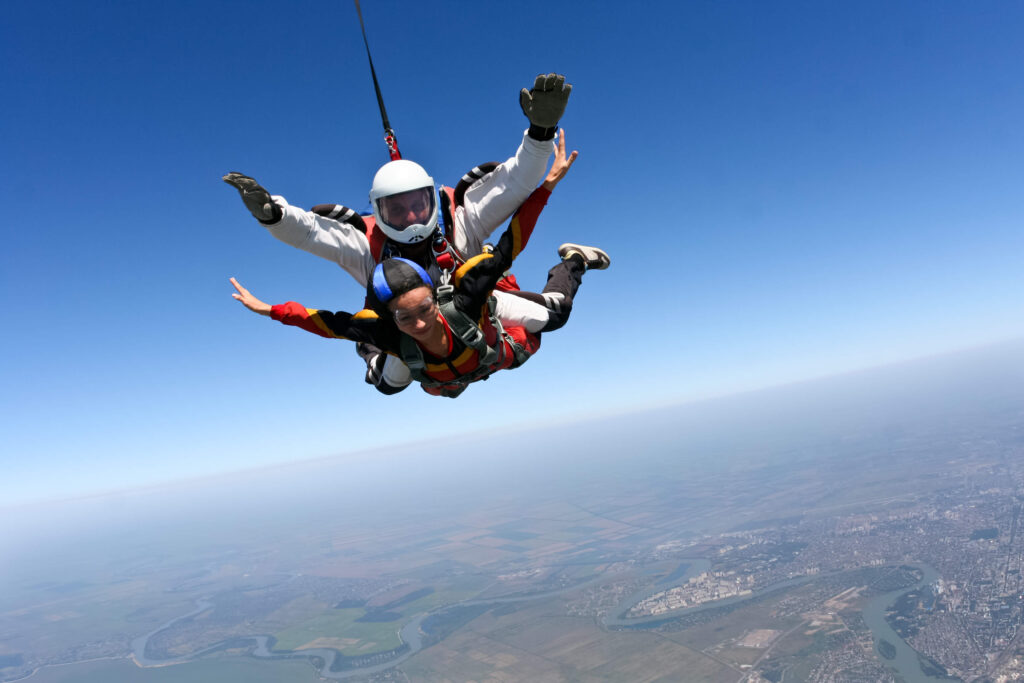
Costs vary significantly based on your jump frequency, age, health status, and the type of coverage you are seeking.
A life insurance policy with a skydiving exclusion rider costs approximately the same as a standard policy. A rated policy that includes skydiving coverage may cost 15 to 40 percent more per year depending on jump frequency. Specialist skydiving coverage from a dedicated provider may cost $300 to $800 per year for a comprehensive package covering accident, death, and liability. A travel insurance policy for a single skydiving trip costs $50 to $200 depending on destination and coverage limits.
The cost of going without appropriate coverage, if something goes wrong, is immeasurably higher than any annual premium.
Frequently Asked Questions About skydiving insurance for recreational jumpers
Does standard life insurance cover skydiving deaths?
It depends entirely on your specific policy. Many standard life insurance policies include an aviation or hazardous activity exclusion that may cover or exclude skydiving depending on how it is worded. Always read your policy exclusion schedule and disclose your skydiving activity during the application process. Non-disclosure that leads to a skydiving-related death claim may result in your beneficiaries receiving no payout.
Does USPA membership include personal accident insurance?
Standard USPA individual membership does not include personal accident or life insurance for the member. It includes access to organized jumping activities and advocacy benefits. Some affiliated programs may offer discounted group accident insurance. Check the current USPA membership portal for updated benefits.
What is the best insurance option for a recreational skydiver?
The best approach combines a life insurance policy from a specialist insurer that includes skydiving coverage, a health insurance plan that covers emergency and follow-up care, and a personal accident policy from a provider like Global Rescue or World Nomads that specifically covers adventure sports. The right combination depends on your budget, jump frequency, and whether you jump domestically or internationally.
Can skydivers get disability insurance?
Yes, but most standard disability insurance policies exclude injuries from high-risk activities like skydiving. Specialist brokers who work with adventure sports participants can source disability policies that include skydiving coverage. Expect to pay a higher premium than a standard policy.
Should I tell my insurance company I skydive?
Absolutely yes. Always disclose your skydiving activity when applying for life, health, or disability insurance. Non-disclosure is the primary reason insurance claims are denied. An insurer that is told about your skydiving and still issues the policy cannot later use non-disclosure as grounds to deny a claim.
Is skydiving covered under travel insurance?
Standard travel insurance does not cover extreme sports including skydiving. You need either a specialist adventure sports travel insurance policy or an upgrade to your standard policy that adds hazardous activity coverage. Providers like World Nomads and Battleface offer this coverage specifically.
What happens if I get injured skydiving and I have no specific coverage?
Your emergency medical costs in the USA will typically be covered under emergency health insurance provisions. However, non-emergency rehabilitation, lost income during recovery, and any disability resulting from the injury may not be covered under a standard health or disability policy that excludes high-risk sport injuries. This is the financial gap that specialist skydiver insurance is designed to close.